This week the BBC Proms offered up an evening of music by Jean Sibelius, Gustav Holst and contemporary woman composer, Lara Poe, all three works sharing in the themes of nature and mysticism.
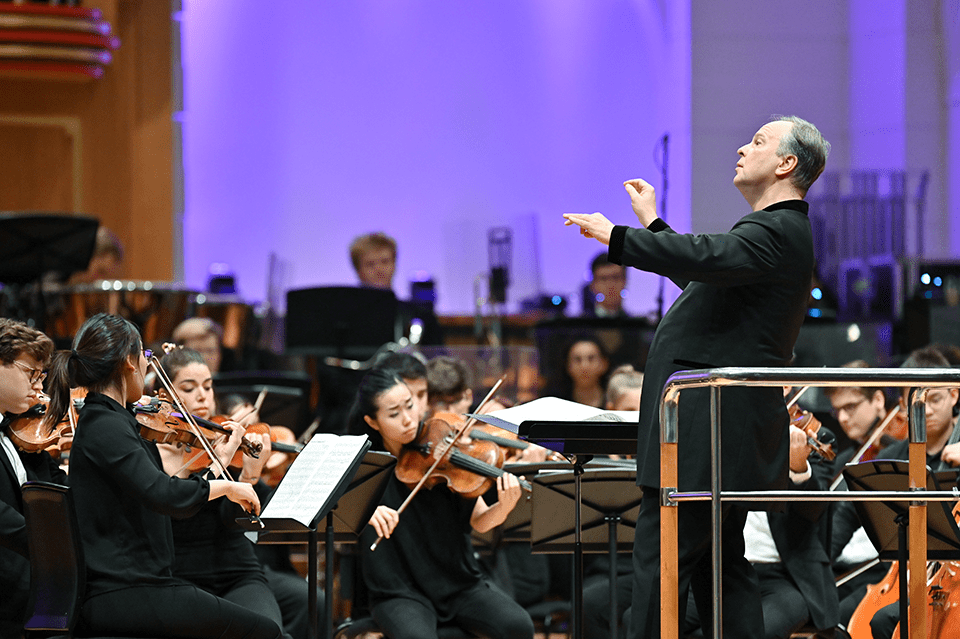
Sakari Oramo, a regular guest composer of the proms, had the job of leading the Royal College of Music Symphony Orchestra and the Sibelius Academy Symphony Orchestra, in an invigorating program of Finnish and British repertoire.
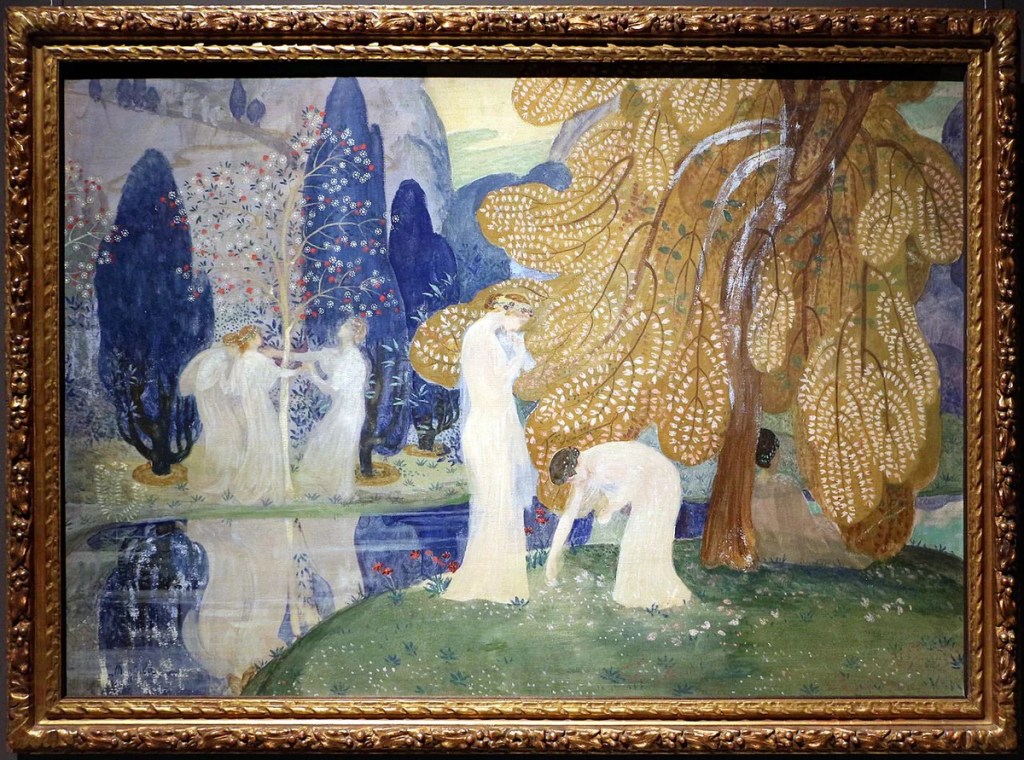
Sibelius’s rarely played Wood Nymph was first on. Inspired by Scandinavian folklore, and more specifically, a tone poem by Viktor Rydberg, the music transported us to an unsettling world where wood nymphs were beautiful women with animal tails and tree-trunk backs!
Wood Nymph opened on a grand march to depict the hero of the piece, Bjorn. A sudden wind picks up. In the score, Sibelius created a tremendous whiplash effect as interlocking strings and rising, flurrying woodwinds evoked the wind whirling around our hero as he was lured into a magical land. This early work of Sibelius was gorgeously written, with startling effects from all sides of the orchestra, burnished rich sounds, ecstatic, erotic musical sequences only to end in a funeral march as our lovelorn hero is left in despair.
A contemporary offering followed, conceived by Finnish-American composer, Lara Poe. This was a highly imaginative work by an alumna of the Royal College of Music, who drew her inspiration from Nordic folk tradition. Poe enlisted soprano Anu Komsi to perform a genre of singing termed as ‘cow-calling’.
The audience seemed a little bemused by Komsi’s vocal acrobatics, singing stratospherically high one minute, the next, producing reverberating low notes. There were moments of extraordinary beauty however, where Komsi displayed her remarkable extended notes. Alas for those of us in the audience, who spoke no Finnish, this was a baffling narrative not really helped by a clunky English translation from the original Finnish libretto in the program.
That said, I am sure Poe will develop very interestingly in the next few years and not only in the classical music field!
Meanwhile, following the interval, the excitement was palpable as the tympani, brass and trombone started up for ‘Mars, the Bringer of War’ written in mid-1914. To this day, this music seems so primal, brutal, terrifyingly strange and new. The second movement ‘Venus’ was ethereal and in complete opposition to the war score – peace reigned and not only peace, there was love and yearning in the middle section during the violin and oboe solos.
Holst’s planets are well known to a certain generation – For my part, I recall it being played endlessly on my parent’s record player in the late 1960s (together with early Pink Floyd Albums! )This was an era of space travel of course but Holst’s work has little to do with space or science. Holst drew his inspiration from the planets’ names, themselves named after the Roman Gods.
In Holst’s work, each planet embodies an emotion, a theme. Saturn represents old age, Uranus, magic, Mercury the messenger, Jupiter – jollity. The mad clumsy dance in Uranus was a complete joy and was reminiscent of Wagner’s Rheingold opera!
Neptune – the Mystic rounded off the planets. High ethereal voices made there way down to us. We searched madly for this invisible choir – I still don’t know whether the Royal College of Music Chamber Choir were present singing. They sang their final two-chord song and faded into oblivion.
This was an exhilarating visit to the Royal Albert Hall and one which left me wishing to return for more. The BBC Proms continue until the 14 September 2024.
KH
https://www.royalalberthall.com/tickets/proms/bbc-proms-24/
Discover more from ARTMUSELONDON
Subscribe to get the latest posts sent to your email.
 ARTMUSELONDON