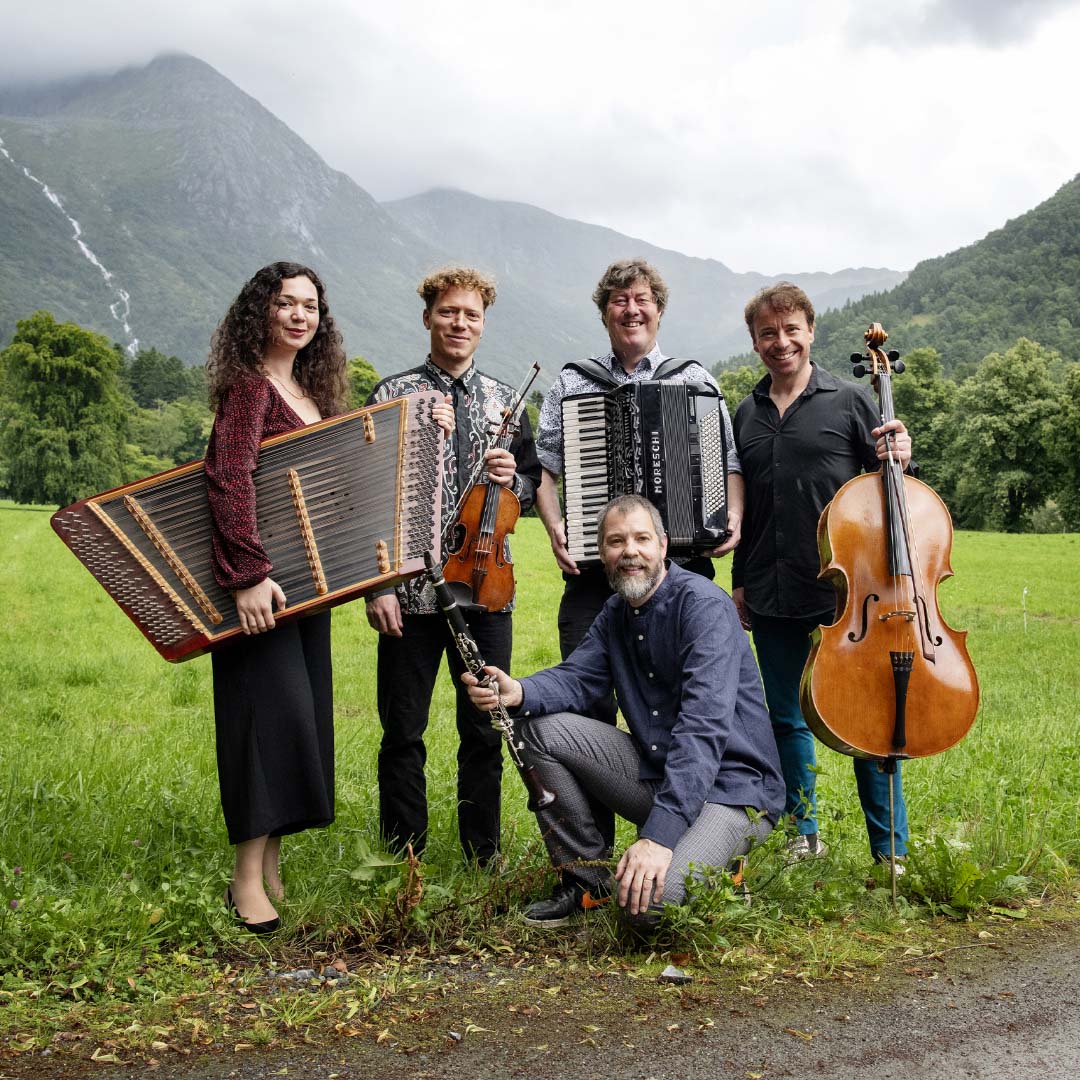
The ensemble Z.R.I. take their name from Zum Roten Igel, or ‘To the Red Hedgehog’, the tavern in 19th century Vienna where Schubert and Brahms went to hear Gypsy and folk music. From their radical re-scoring of the Brahms Clarinet Quintet to include accordion and santouri (dulcimer), Z.R.I. create captivating programmes and recordings with their eclectic and imaginative versions of music by Schubert, Brahms, Bach as well as Donna Summer and Taylor Swift. The worlds of classical, folk, klezmer, jazz and pop collide in these reimaginings to create music which is inventive and vibrant, and which offers the listener a fascinating take on classical music. The ensemble comprises five world-class classical musicians, who each bring their experience in western classical music, improvisation and cross-cultural influences to the music they make together. The result is compelling, fresh and spontaneous.
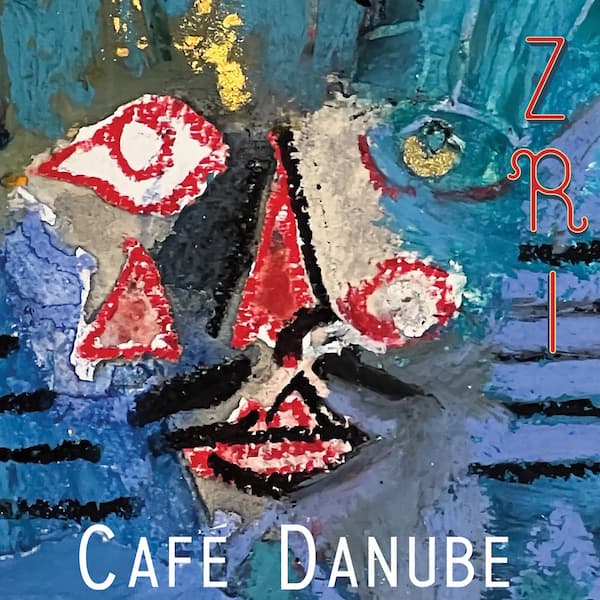
Z.R.I.’s latest album, Café Danube, celebrates the great Danube River, which brought both trade and travellers to Vienna, which by the end of Brahms’s life was a sprawling, bustling metropolis. The city’s population increased fourfold by the end of the nineteenth century, mostly comprising immigrants from eastern Europe, among them Hungarian Romani musicians. These were the musicians who, rooted in the csárdás tradition, made such an impact on Liszt and Brahms and became hugely fashionable in the Austrian capital. Audiences were captivated not only by their folk music but also their ability to play the latest favourites by Rossini, the Strauss family et al, often by ear and without sheet music.
Café Danube takes the listener on a glorious cruise along the great Danube river, from Vienna to Odessa, passing through some nine neighbouring countries en route. Just like the Romani musicians, who would have had a tune for every occasion and every country, Z.R.I. take the listener on an intriguing journey from a breakneck rendition of Mozart’s Rondo alla Turca to a traditional Czardas, Satie’s Gnossienne No. 1, Schubert’s Erlkonig, Chopin’s Waltz in A minor, Op 34/2, Kreisler’s Liebslied and the Pizzicato Polka by Johann Strauss II, amongst others. These are easily recognisable pieces, in wonderfully colourful guises, replete with the sounds and foot-tapping rhythms of klezmer and the folk music of eastern Europe. There are some surprises too, as we travel further east, towards Constantinople, where we encounter music of a different flavour in a Greek dance by Nikos Skalkottas. I particularly enjoyed the arrangements of music by Schubert and Chopin.
Z.R.I.’s arrangements pay homage to both the original pieces and their interpretations by the Romani immigrant musicians, who had such a profound influence on Vienna’s musical life. The result is a spectacularly inventive album which feels at once newly-created and yet rooted in historical authenticity – by turns entertaining, poignant, uplifting, energetic, and above all brilliantly performed by the ensemble.
Highly recommended
Find out more about Z.R.I. here https://www.zrimusic.com/
FW
An earlier version of this review appeared on the interlude.hk site, for which ArtMuse editor Frances Wilson is a regular writer
Discover more from ARTMUSELONDON
Subscribe to get the latest posts sent to your email.
 ARTMUSELONDON