Someone Else’s Music: Opera and the British – Alexandra Wilson
In the UK, classical music, and opera in particular, is seen as “the most elitist” of all the arts. Myths and perceptions surrounding opera – that it is expensive, intellectual, foreign, requires dressing up in formal clothes to attend, and takes place in grand venues – have perpetuated this view to the extent that it has now become the default, stereotypical view.
But there was a time when opera was not regarded as “elitist”. Indeed, the word did not enter wide circulation until the 1980s; however, over the past 40 years, it has become a pejorative word, associated with privilege and exclusivity, and classical music and opera have become caught in the crossfire of the culture war as a consequence.
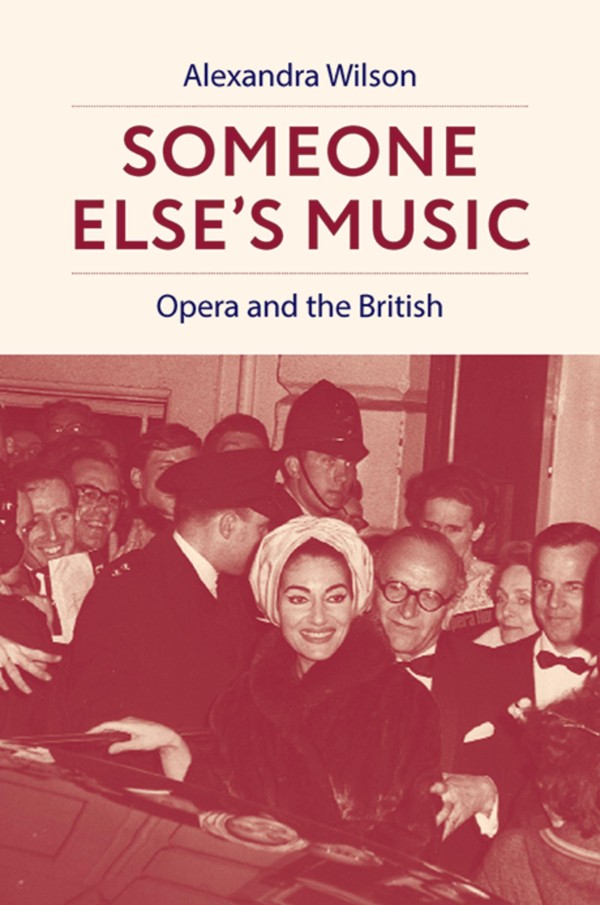
In her new book, Someone Else’s Music: Opera and the British, Alexandra Wilson explores changing attitudes to opera and examines why people started calling opera elitist, finding that motives for using this description are largely political, the result of typically British anxieties about education, class and national identity (anxieties which are, sadly, deeply rooted in British society, now more than ever).
Ordinary people had always had access to opera – brass bands and street barrel organs played opera tunes, and regional touring companies brought rough-and-ready productions to provincial towns and cities. Opera was performed in music halls, cinemas, schools and restaurants. Thus, opera was widely enjoyed outside the grand theatres. In the early part of the 20th century, the increasing availability of technologies such as gramophone records and radio allowed people to listen to opera at home, and through these channels they were introduced to the “big names” of the time – Caruso and Chaliapin, for example. Broadening access to culture for “ordinary people” was seen as positive at this time (a hangover from the Victorian ethos of self-improvement and autodidacticism), and Wilson gives many examples in her book of opportunities for people to access the arts through participation in choirs, concert societies, and amateur dramatics.
Wilson shows that opera was once far more democratised and popular than many people assume today, and reveals that it had a diverse audience: working-class fans from London’s East End, opera-singing Welsh miners, soldiers who discovered opera during wartime, and ordinary holiday-goers at seaside resorts or holiday camps. From shop girls camping out to secure their tickets to tiara-wearing ladies attending the opening night at Covent Garden, we have the sense of a country into which opera was woven as part of the national culture, vibrating with the sound of arias and choruses – and with not a hint of elitism!
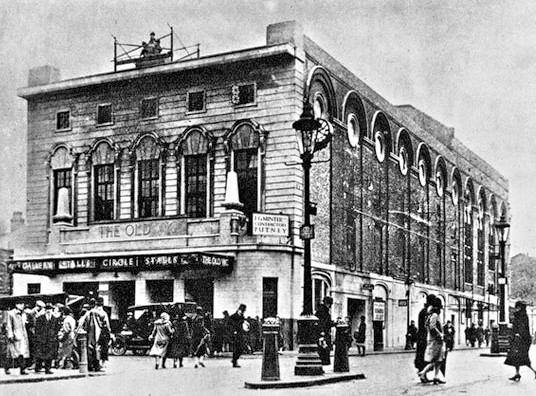
The idea that opera was “for everyone” was perhaps most significantly confirmed by the pioneering work of Lilian Bayliss at the Old Vic theatre in London. The theatre became known as “the people’s opera house”, presenting opera in English, and Shakespeare plays, and offering tickets at affordable prices (“no more than the cost of a packet of cigarettes”). Bayliss was to go on to establish English National Opera, which continued the desire to bring “good opera”, sung in English, to ordinary people rather than just the socially privileged.

Additionally, the grandeur of opera and the “dressing up” to attend were at this time not seen as something to be sneered at but rather celebrated, and the glamorous activities of Covent Garden, for example, were portrayed with a sense of national pride as indicators of a civilised nation.
But over time, and in particular in the post-war period, opera became closely entangled in debates over public arts subsidy, to the extent that the Arts Council now seems blatantly anti-opera. Yet even in the 1980s and 1990s, opera performances were popular and flourishing – the Three Tenors were international opera stars who could sell out football stadia – while successive governments stepped back from supporting the art form, fearful of accusations of engaging with an ‘elitist’ activity, and therefore being out of touch with the ordinary voter. (Given the examples Wilson offers of “opera for all” in the first half of the 20th century, these attitudes seem curious, though not surprising when one considers the cultural shift that has taken place in Britain in the last 30 years.)
By examining the changing perception of opera over the past century – cultural, political and social – Wilson’s book demonstrates that opera has never gone truly out of fashion. It remains popular in its many guises – from country-house opera at Glyndebourne to cheap or free tickets for under-30s and students, and opera in pubs or other non-standard venues.
In this carefully researched and highly readable book, Alexandra Wilson shows that in Britain, opera was never just for the upper classes (the “elite”), and that for much of the 20th century, it was part of popular entertainment and leisure for working-class and middle-class people alike. Geographically and socially far-reaching, thanks to touring companies, affordable venues, community productions, and recording/broadcast media, opera reached people far beyond the traditional urban elite. Opera contributed to the shared cultural life and national identity, making opera part of collective, everyday British culture.
Someone Else’s Music persuasively reframes the history of opera in Britain, proving that it was once popular, accessible and socially diverse, and shows how debates about opera, and who British culture is “for”, connect the art form to wider cultural, political and social issues – class, identity, funding, and the culture wars.
Wilson believes that contemporary assumptions can and should be rethought: if opera once belonged to many people in the past, it can again: opera can be “everyone’s music”.
Someone Else’s Music is published by Oxford University Press
FW
This article first appeared on InterludeHK
Discover more from ARTMUSELONDON
Subscribe to get the latest posts sent to your email.
 ARTMUSELONDON