A highlight of a brief visit to the Three Choirs Festival this year was the opportunity to hear Samuel Coleridge-Taylor’s little-known and rarely-performed choral work, ‘The Atonement’. The sense of occasion was twofold: this revival in the glorious setting of Hereford Cathedral was like a homecoming for the cantata, which received its premiere in Hereford at the 1903 festival. And what better time than the composer’s 150th anniversary year for its return?
Coleridge-Taylor explicitly sought to bring African musical influences into his compositions, and ‘hind-hearing’ is a wonderful thing. So, while the piece was unfamiliar, I was conscious of this pre-awareness, an anticipation of sorts that I would be looking out for those kinds of sounds or styles – or worse, ‘project’ them in some way.
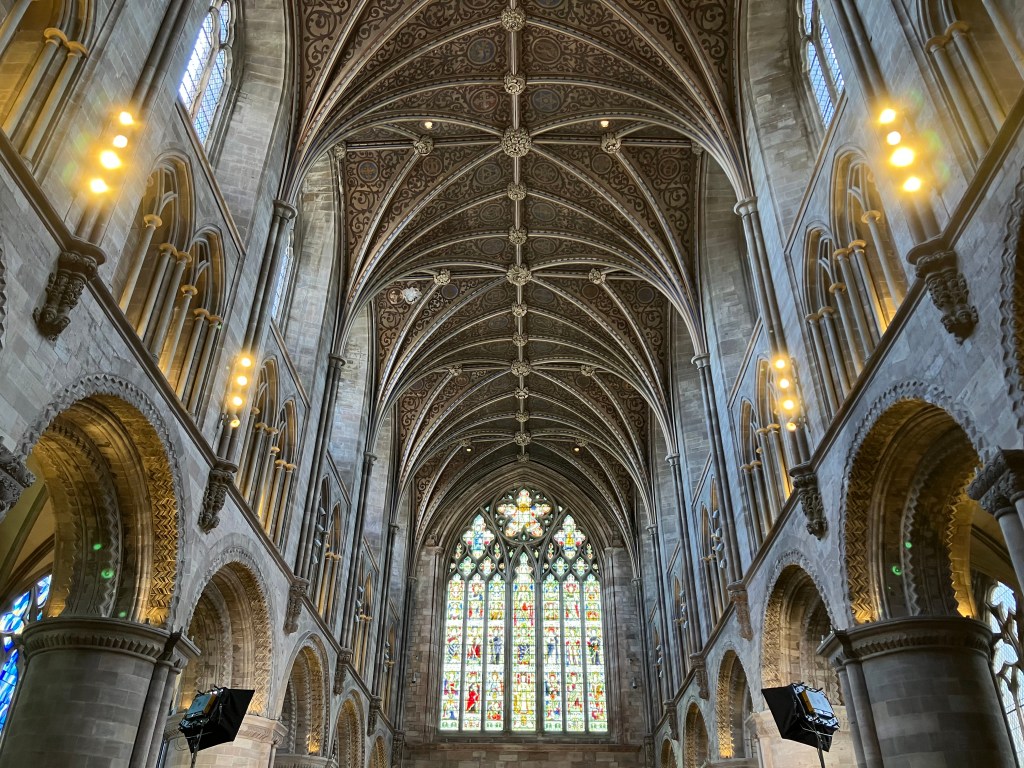
I needn’t have worried. Once the performance was underway, I felt that these signature features were unmistakeable and that, as so often, Coleridge-Taylor’s music seems drawn from the same well as the jazz, blues and roots music emerging just as we lost him. Highlights taking up temporary residence in my memory now coalesce into a startling blend of punchy, almost brash stabs of brass alongside sumptuous, gliding strings. I realise – if reaching for a reference point – it sounds a little like I’m describing John Wilson blowing the dust off a neglected score and guiding the Sinfonia of London towards giving it that elusive ‘wireless radio’ sound they recreate so well.
But the Philharmonia Orchestra (conducted by Samuel Hudson) understand the assignment – this is sacrament, not sentiment – and manage to mesh the driven pulses and any tendency to ‘swing’ with a crisp, cathedral-clear reverence.
This also carries through to the voices. As the festival brochure notes explain, Coleridge-Taylor encouraged his librettist Alice Parsons to break from tradition, and she took him at his word. First, she chose to write her own script based on the scripture, rather than use the biblical text. This instantly gives the action a more accessible feel, a secular ‘treatment’ of a holy subject.

Second, Parsons fills out the cast with additional roles which amplify the female perspective, turning Pilate’s insular handwringing into a vivid dialogue with his wife, and placing a miniature chorus of three Marys (Christ’s mother, Magdalene, and the wife of Cleophas) at the crucifixion. This dramatic technique could risk – to present-day sensibilities, especially – a kind of domestic reduction of events.
But in fact, Coleridge-Taylor and Parsons achieve an authenticity of character that must have felt very modern and direct in its relatability, even emotional realism. This ranges from the intensity of the exchanges between the soloists – all excellent – to the baying mob at Calvary brought terrifyingly to life by the Three Choirs Festival Chorus, a shocking shape-shift from their heavenly-host mode elsewhere.
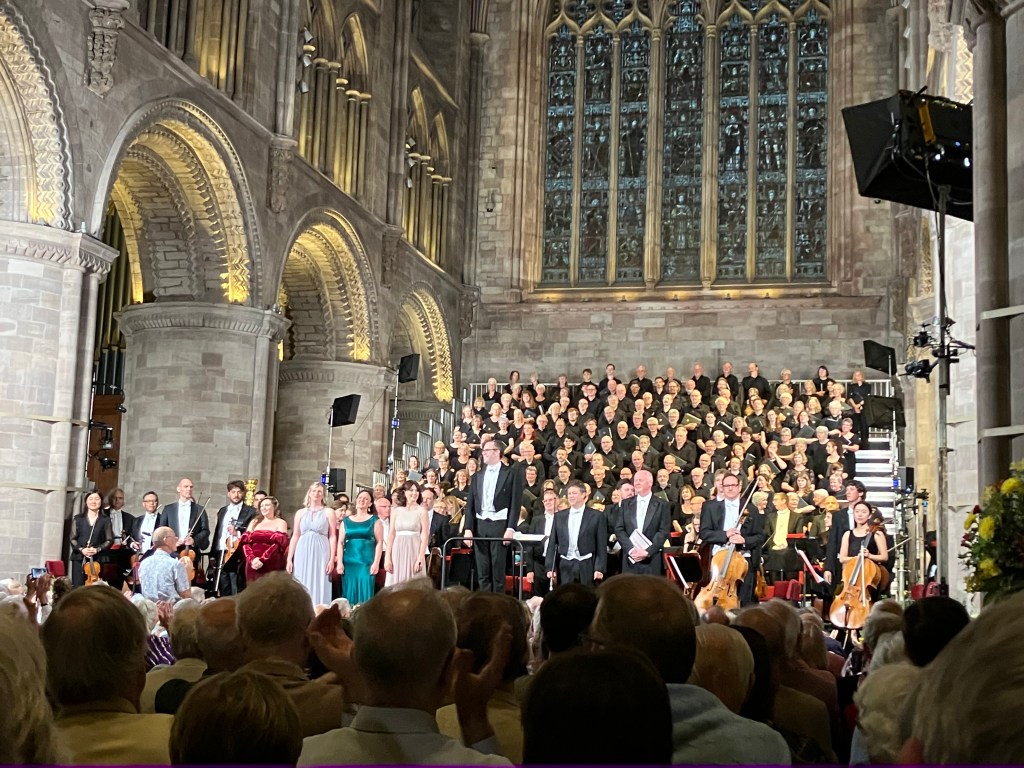
The contrasts between the breathtaking choral arrangement with the words being sung and the underlying score maintain a tension between sacred and profane, that I believe is at the heart of the work’s impact. Although it’s a sacred cantata – with an economic pace and structure accordingly – at 90 minutes it acquires an oratorio-like heft. Maybe this fluidity between sound influences, genres, forms and ideas lost the piece its place in the repertoire, landing a little ahead of its time for some critics, Coleridge-Taylor fan Elgar included.
As ‘The Atonement’ follows the passion narrative, its triumphant climax describes the crucifixion rather than the resurrection. But the passion of the performances, in that holy acoustic, could make one feel that the work itself has been brought back to life from near-oblivion: hopefully to enjoy the longer-term revival it richly deserves.
*
While we wait – not for another 122 years, fingers crossed – for a recording of ‘The Atonement’, renewed focus on Coleridge-Taylor has already led to some welcome releases in the last few years. Here are three discs of his vocal music well worth investigating…
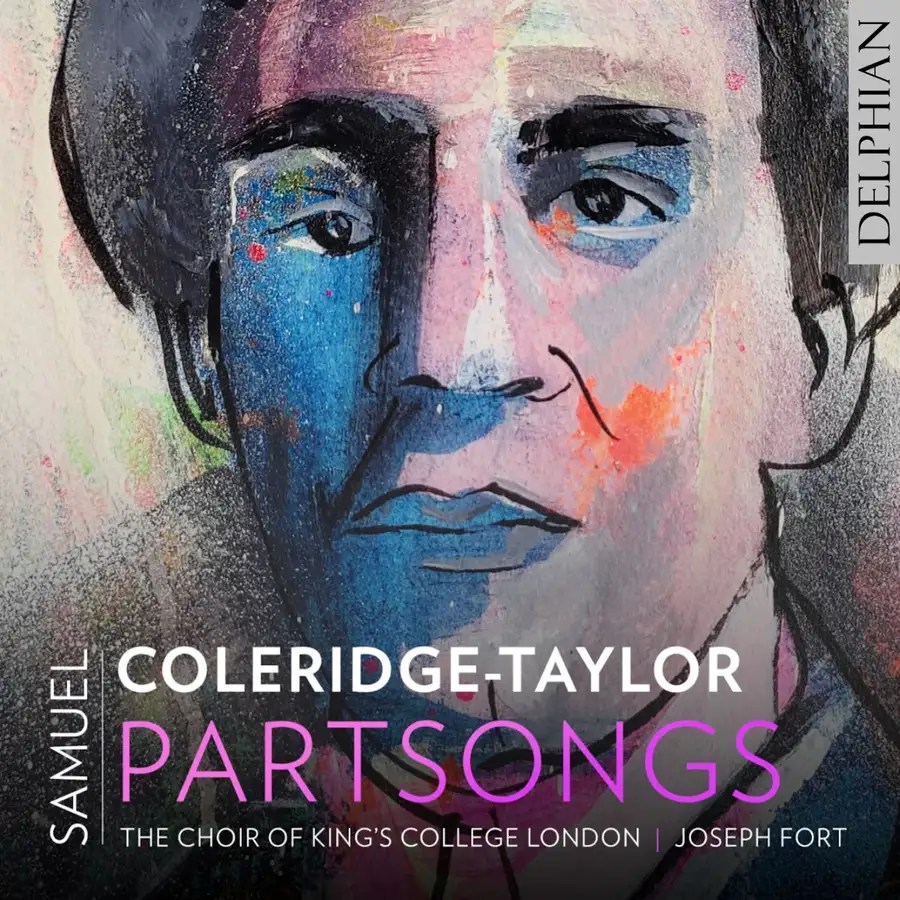
The Choir of King’s College London, Joseph Fort: ‘Partsongs’ (Delphian)
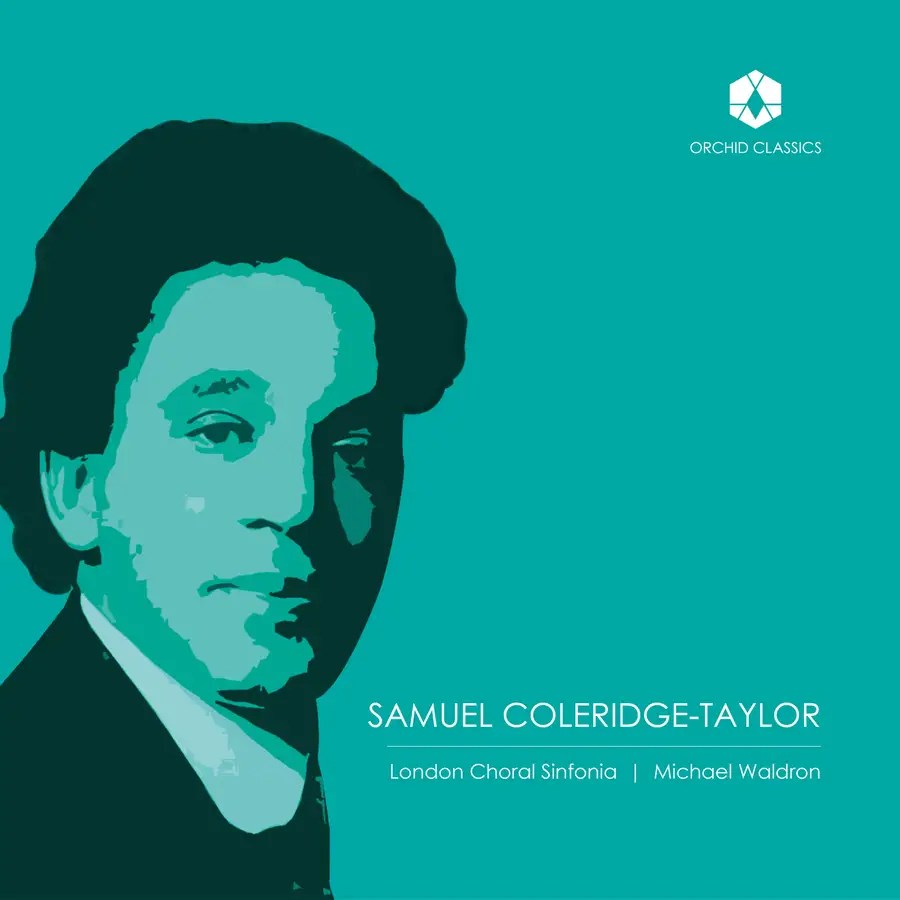
London Choral Sinfonia, Michael Waldron: ‘Choral Music of Samuel Coleridge-Taylor’ (Orchid)
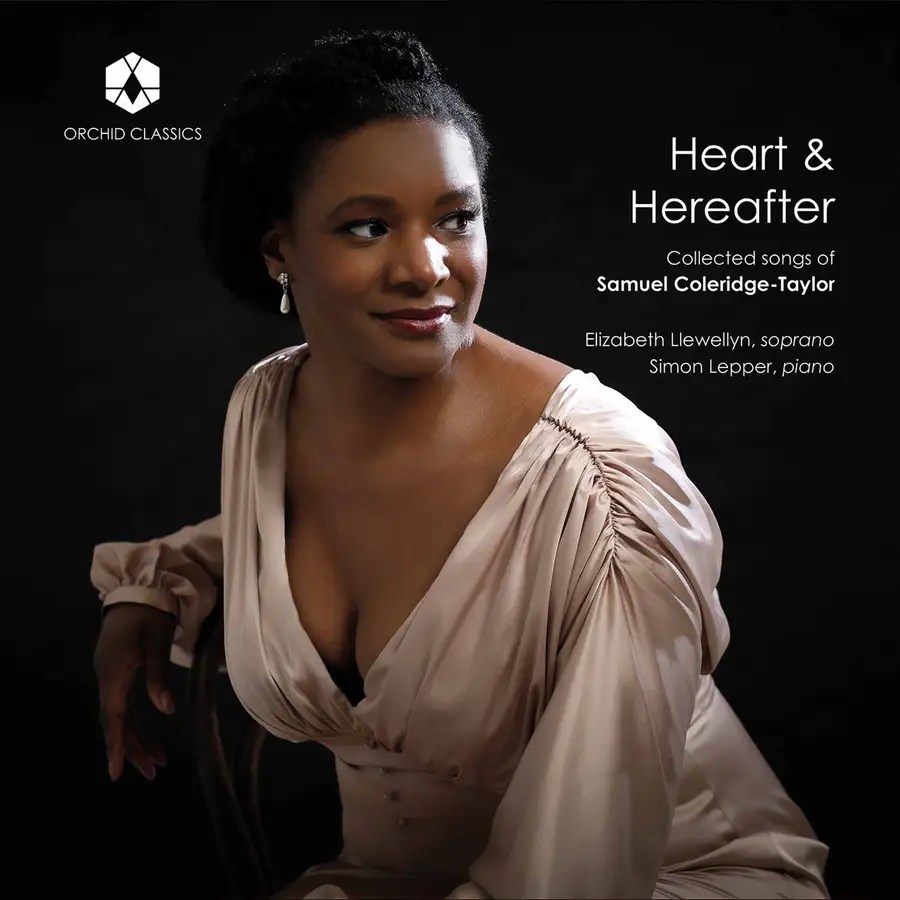
Elizabeth Llewellyn & Simon Lepper: ‘Heart & Hereafter: Collected Songs of Samuel Coleridge-Taylor’ (Orchid)
All these are available from our recommended retailer Presto Music – and searching the site under Coleridge-Taylor’s name reveals a wider selection for the insatiably curious.
AA
(Photos by AA.)
Discover more from ARTMUSELONDON
Subscribe to get the latest posts sent to your email.
 ARTMUSELONDON