Do not adjust your browser: this is not my annual ‘recordings of the year’ post, four months early. However, I feel that in my favourite area of classical music – song – there’s been an especially exciting run of releases during 2026: far too many to post about at length, or wait longer to do them proper justice.
So while there is still time to pause for breath, here is an overview of some of those albums. Not a deep dive, more a skim across the surface – but hopefully a surface that accurately reflects the riches on offer.
*
Two powerful vocal debuts to discover.
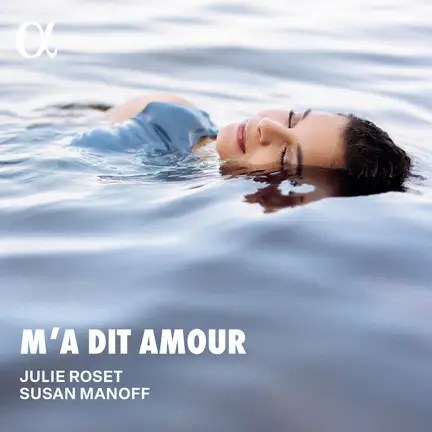
Julie Roset & Susan Manoff, ‘M’a Dit Amour’
Soprano Roset presents a sumptuous selection of French mélodies: Debussy features strongly as an anchor of sorts, with the rest of the disc lifting up lesser-known work by (among others) Bonis, Albouker and Beydts. This recital feels very much co-led, with Manoff’s input key to shaping the repertoire, and the warm, clear production making equals of piano and voice.
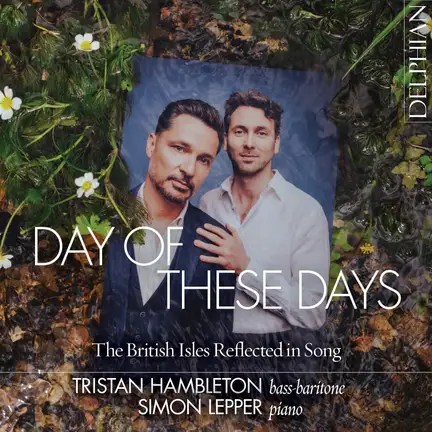
Tristan Hambleton, Simon Lepper: ‘Day of These Days’
An all-British collection, but expect the unexpected: a survey of mostly contemporary composers (including Beamish, MacRae, Watkins and Weir) with room still for Bridge, Britten and Purcell. There’s a restive, almost edgy urgency to these performances: Lepper ties it all together even at its most demanding moments; Hambleton has power and presence to spare but at the same time achieves a near-confidential tone, a cry here, a whisper there. A beautiful Wallen song at the close introduces a calmer groove. It’s strong, satisfying stuff.
Welcome returns.
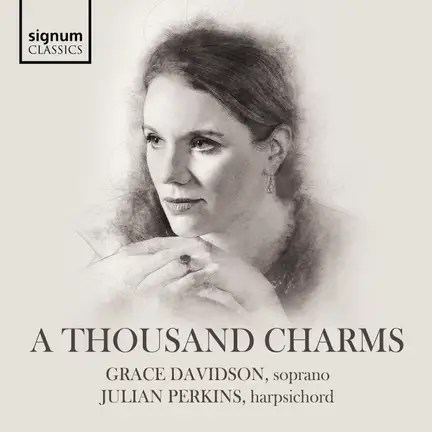
Grace Davidson, Julian Perkins: ‘A Thousand Charms’
Davidson’s solo recital albums are precious (and relatively rare) treats. This latest programme departs from the single-composer focus of her Hildegard and Dowland albums, stretching out into a chronicle of early song, featuring Arne, Blow, Campion, Eccles and Humfrey alongside headliners Handel and Purcell. I love how the delicate but earthy burr of Perkins’s harpsichord both connects and contrasts with the purity of Davidson’s tone, as if it’s the only thing keeping her tethered landside from the heavens.
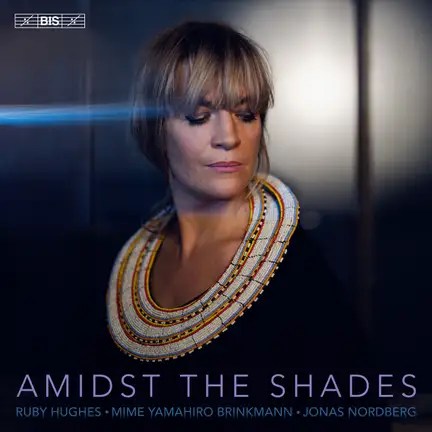
Ruby Hughes, Jonas Nordberg, Mime Yamahiro Brinkmann: ‘Amidst the Shades’
I think this is one of Hughes’s finest releases yet. Accompanied throughout by lute, viola da gamba or both, she brings some early-music masterpieces alongside newly-commissioned songs by Pritchard and Wallen. Whereas it might be more common to hear older work played on later instruments, this achieves the reverse, placing those modern sensibilities into a past idiom – with thrilling results.
Both by Booth…
Claire Booth, Christopher Glynn: ‘Cocteau’s Music’
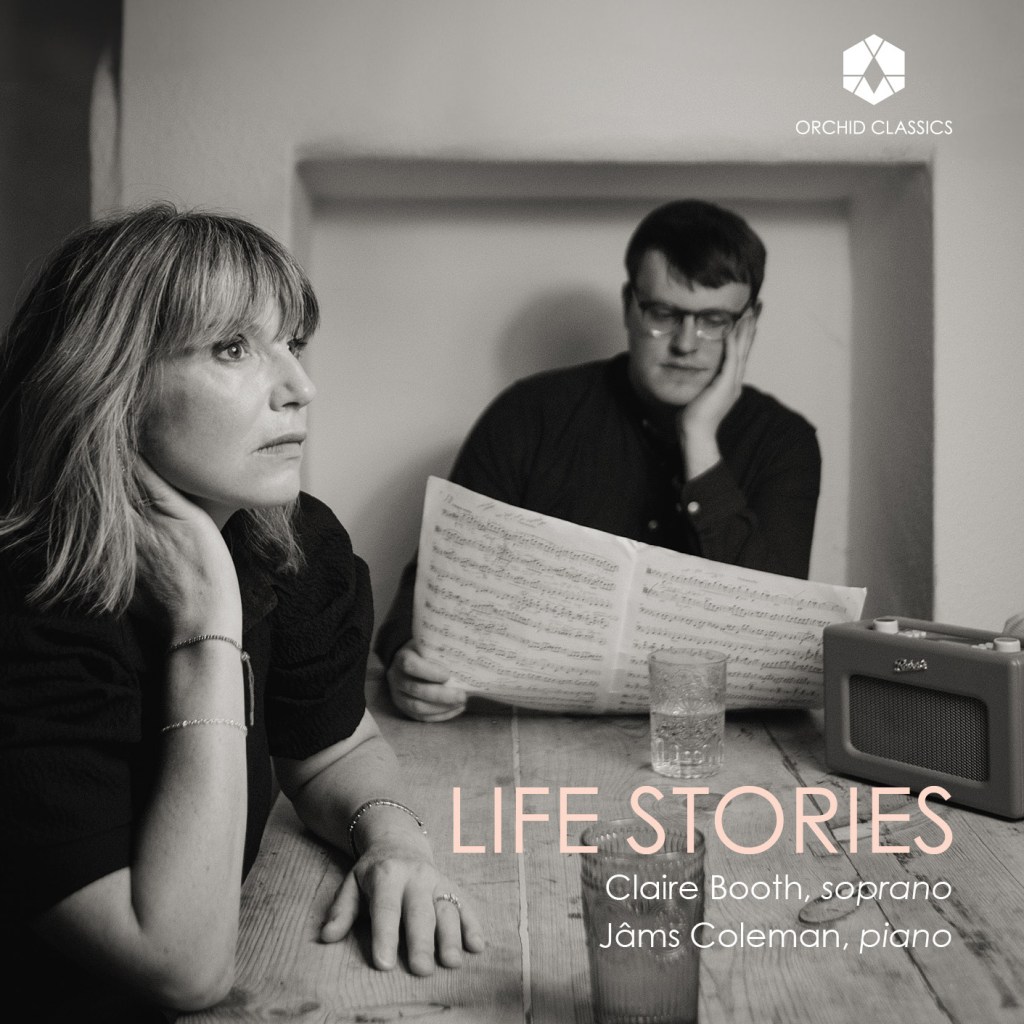
Claire Booth, Jâms Colman: ‘Life Stories’
Booth’s duo with Glynn has specialised in single-composer releases, always with a fresh angle (such as their disc featuring Schoenberg’s art alongside his music). Here, they tweak the approach, with Cocteau’s poetry the through-line(s): Poulenc dominates – we’re treated to both ‘La Dame de Monte Carlo’ and the monumental ‘La voix humaine’. But by introducing songs by other composers drawn to Cocteau’s words, the duo demonstrate how he inspires a definite vibe in the responses, giving weight to the album’s title and making it more of a piece with their previous discs than one might have expected. Meanwhile, ‘Life Stories’ brings the cabaret to your front room, launching with the startling ‘Hotel Babylon’ suite by Zöe Martlew, then holding the balance between dream and nightmare through Adès, Eisner, Gershwin and Poulenc. Colman is like a co-conspirator here, matching the moodswings and making some manic vocal contributions of his own.
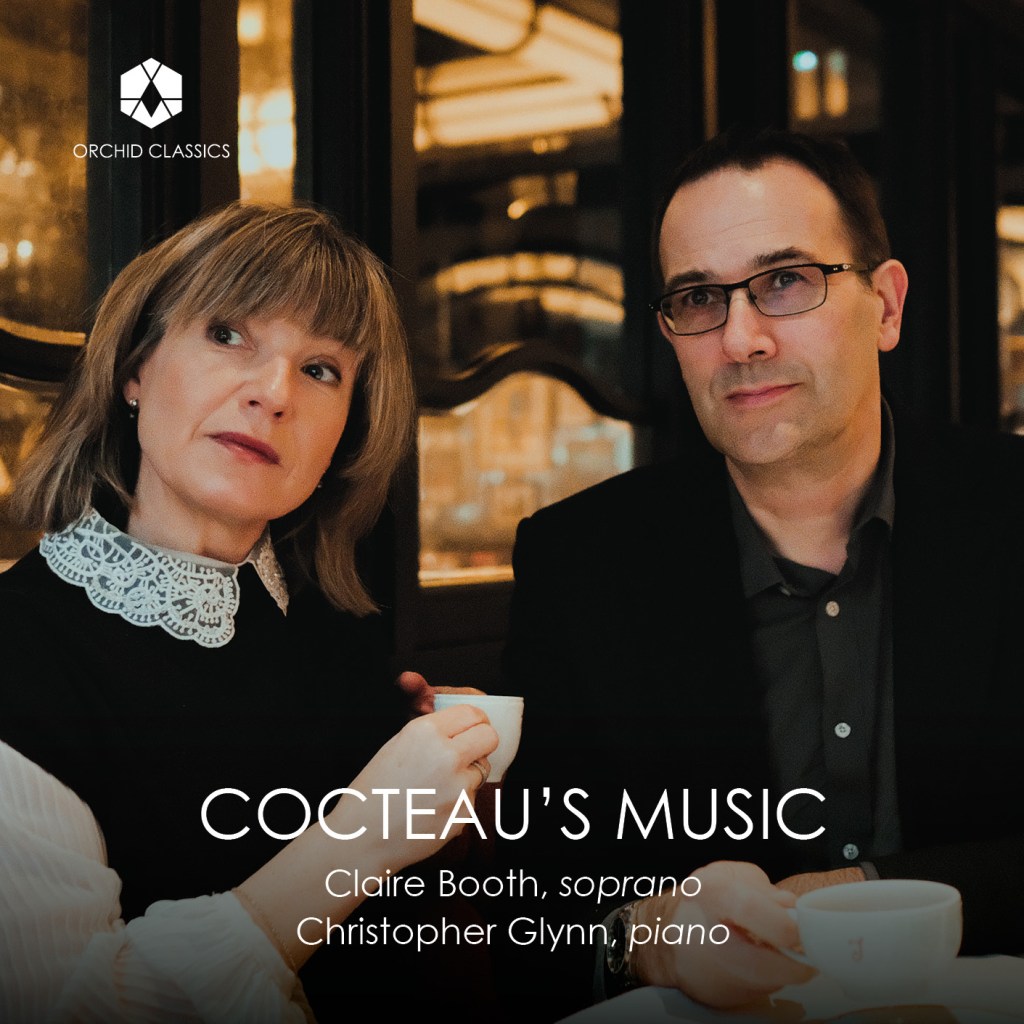
These releases are quite distinct entities. But taken together they build a compelling portrait of Booth’s singular artistry. I marvel at her ability to blend the ethereal and earthy: her timbre conjures up both worldly and otherworldly beauty. From conversational to confrontational, her fearless attitude and total commitment to the dramatic force of these works makes for riveting listening. If you succumb to one of these albums, you will need the other.
Of course, there’s some Schubert.
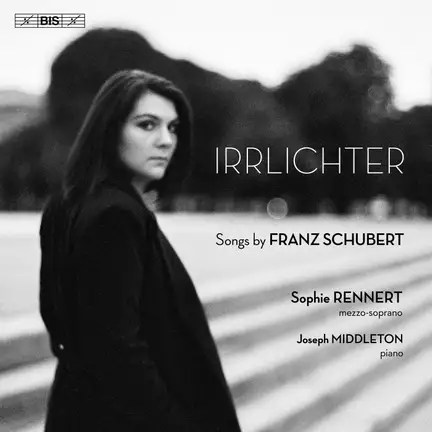
Sophie Rennert, Joseph Middleton: ‘Irrlichter’
I was lucky to catch Rennert and Middleton perform an all-Schubert programme at London’s Wigmore Hall back in 2024. The exact song choices have shuffled a bit since then, into this wondrously atmospheric album. A neat touch: across a still-generous running time, there are 13 songs here (fewer than a typical recital disc), favouring some of Schubert’s longer, more intense lieder. Result: a perfectly sustained, lingering mood. (Also: Rennert also appears on Middleton’s latest volume of Mahler songs, ‘Lieder der Jugend’, alongside Katharina Konradi, Simon Keenlyside and Mauro Peter.)
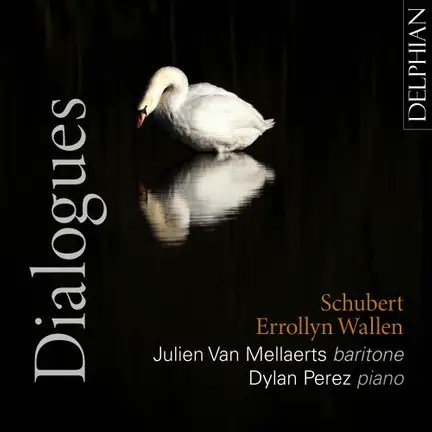
Julien Van Mellaerts, Dylan Perez: ‘Dialogues’
This duo have blended Schubert’s ‘Schwanegesang’ with a new, specially-commissioned sequence, ‘The Lake, from Errollyn Wallen. Here, Wallen is in the more modern ‘songwriter’ mode, writing her own lyrics rather than setting existing poetry; ‘Schwanegesang’ – not a true, unified cycle; relatively short; narrative-free – responds well to this kind of shapeshifting treatment and the duo’s sensitive interpretations make the whole thing seamless.
And a couple of passion projects bringing unsung composers to light.
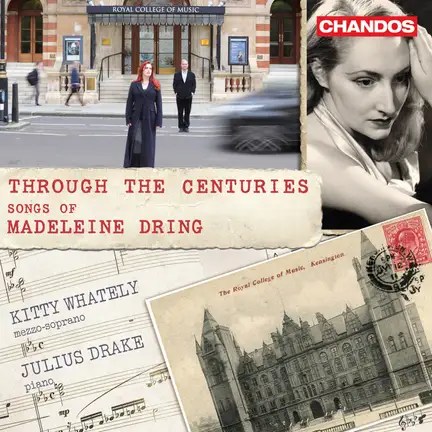
Kitty Whately, Julius Drake: ‘Through the Centuries: Songs of Madeleine Dring’.
As the booklet notes explain, Dring worked mainly in the theatre, a jobbing musician producing pieces quickly to order. As a result, she died (suddenly, at the height of her career) leaving her catalogue in disarray. This selection touches on both accessible and avant-garde soundworlds to me, art song and torch song together, a perfect fit for this team.
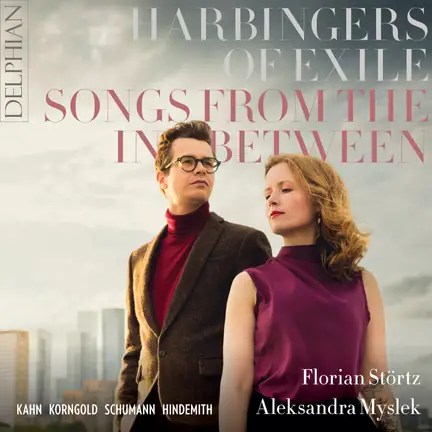
Florian Störtz, Aleksandra Myslek: ‘Harbingers of Exile’.
Of the 27 songs on this disc, 19 are by German composer Robert Kahn, who enjoyed success in the late 18th / early 20th centuries before Nazi persecution exiled him from public life. ‘Lush’ is the word that comes to mind here – Kahn wrote mostly for the baritone voice, and this set of songs makes for a rich, sonorous experience, with Myslek’s robust yet sensitive playing the ideal support for Stôrtz’s interpretations.
AA
All of the above releases are available from Presto Music.
Discover more from ARTMUSELONDON
Subscribe to get the latest posts sent to your email.

