This exhibition brings together the largest-ever outdoor assembly of Moore’s work, and marks almost two decades since his pieces were last shown at Kew Gardens.
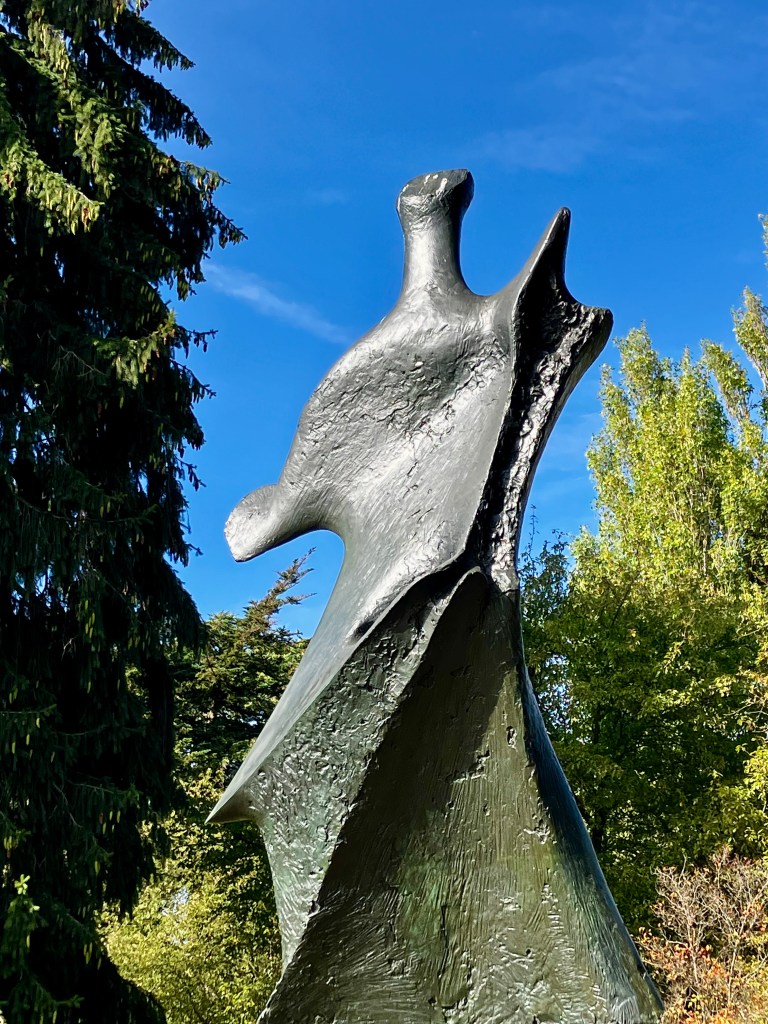
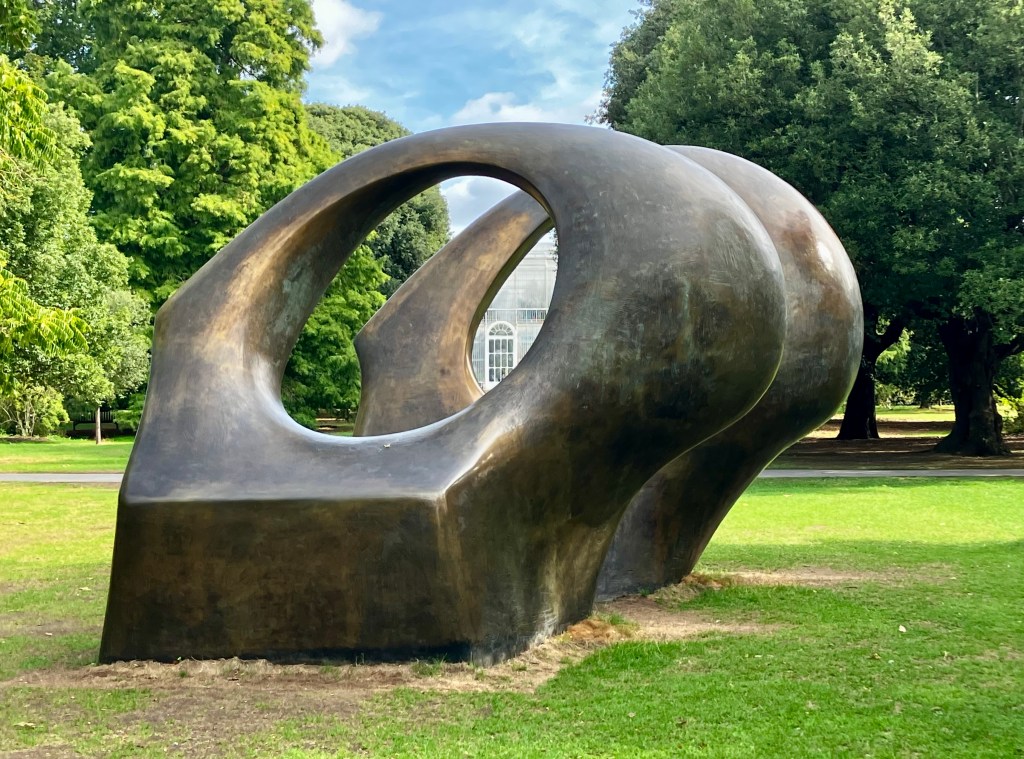
Much has happened since then. That previous Moore exhibition was an early entry in Kew’s ongoing, hugely significant initiatives to present vital work on the widest possible canvas – the outside world – and reinforce nature’s place at the heart of culture (and vice versa). Artists engaging with the gardens in the time between Moores have included David Nash, Dale Chihuly and Marc Quinn.
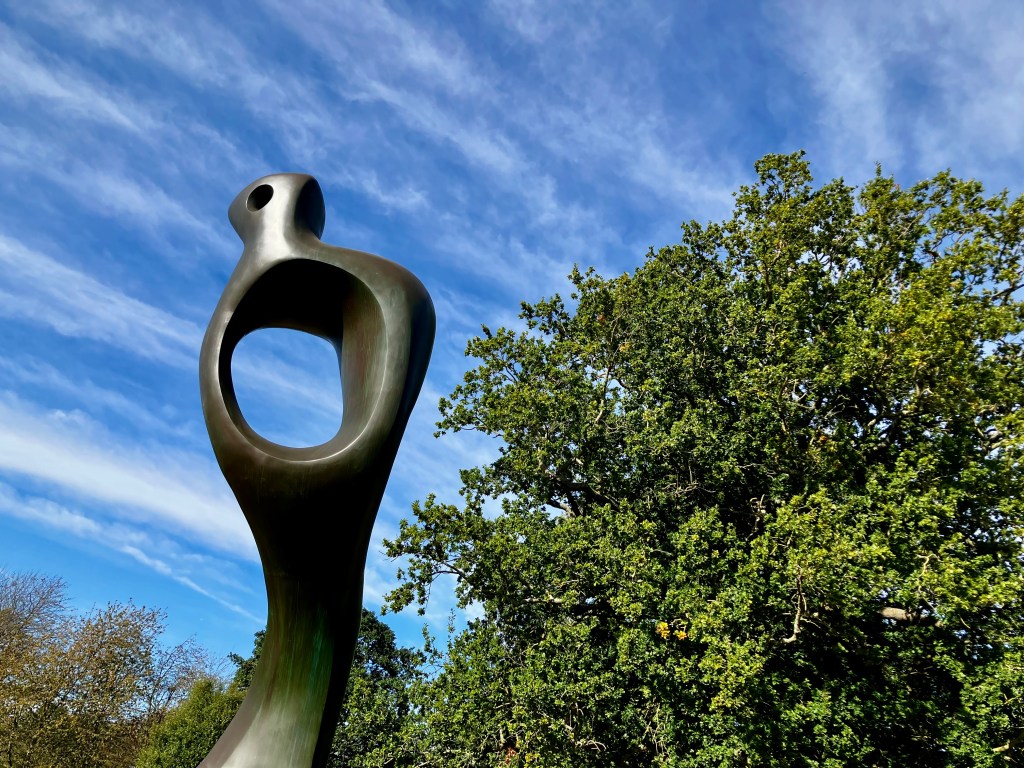
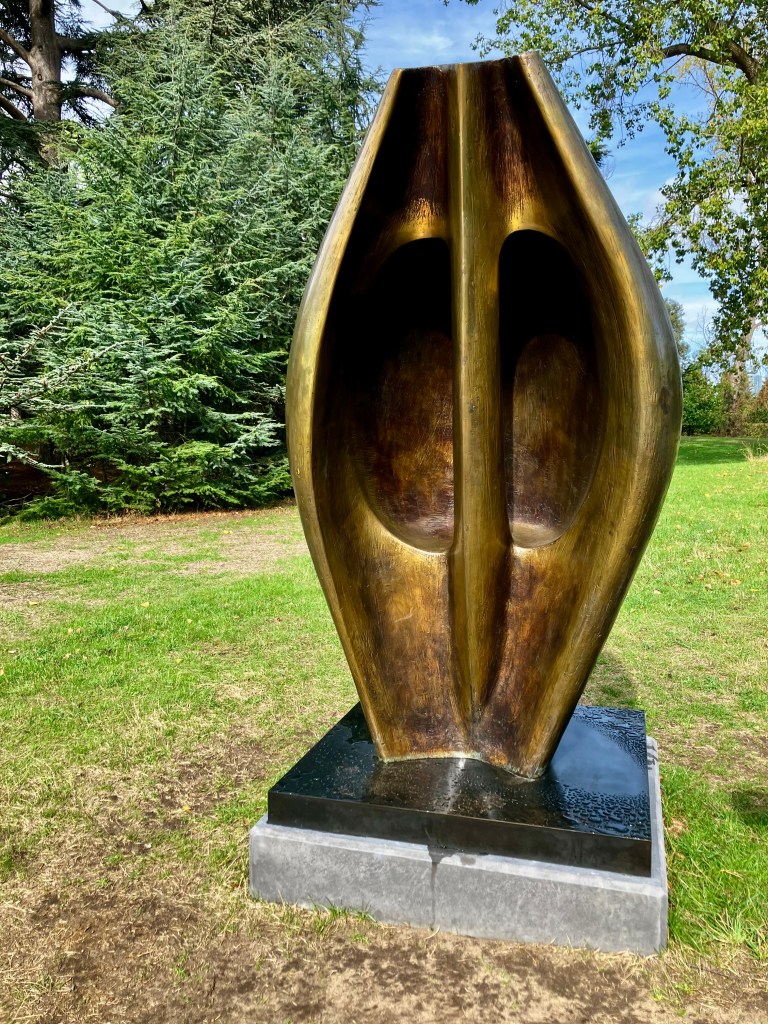
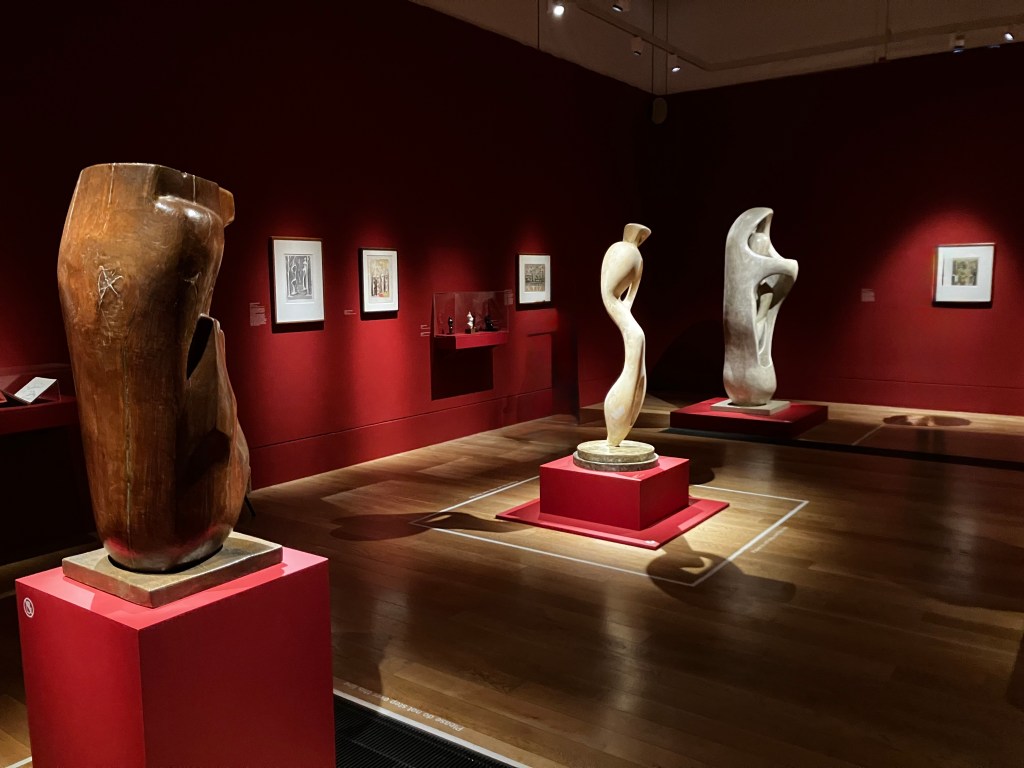
And shortly after the first Moore show closed – mere weeks, in fact – Kew opened the Shirley Sherwood Gallery of Botanical Art, a handsome indoor space that hosts exhibitions ranging from contemporary artists dealing with a botanical or ecological theme, to surveys and retrospectives of historical interest, all alongside relevant highlights from the sponsor’s own collection.
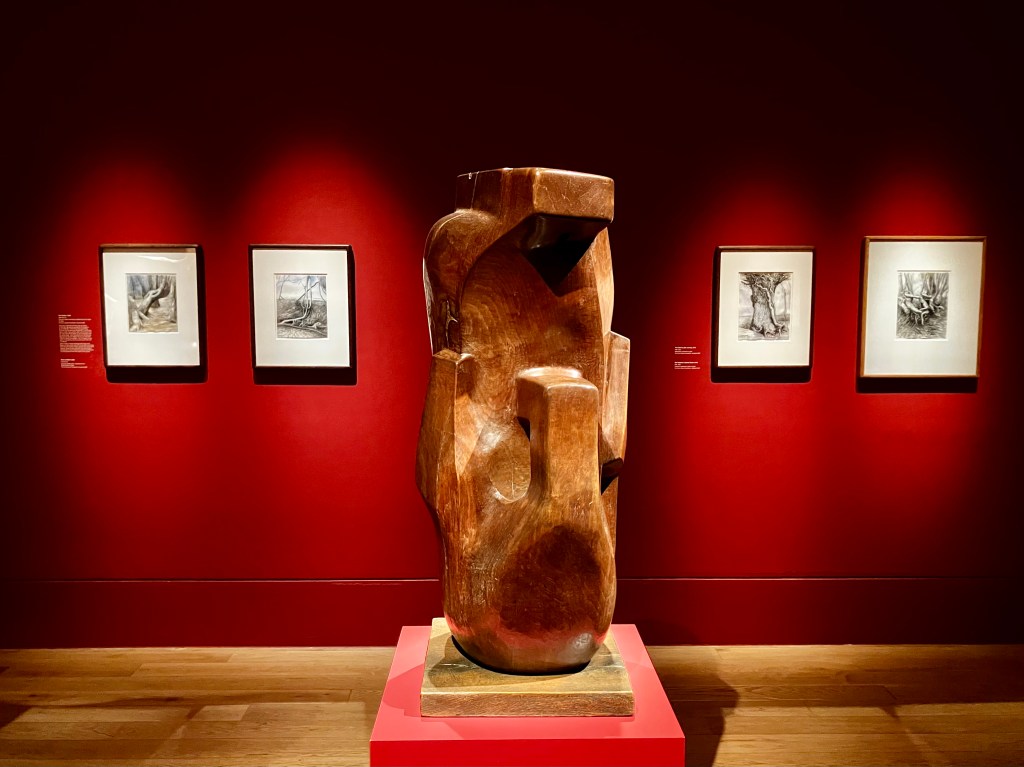
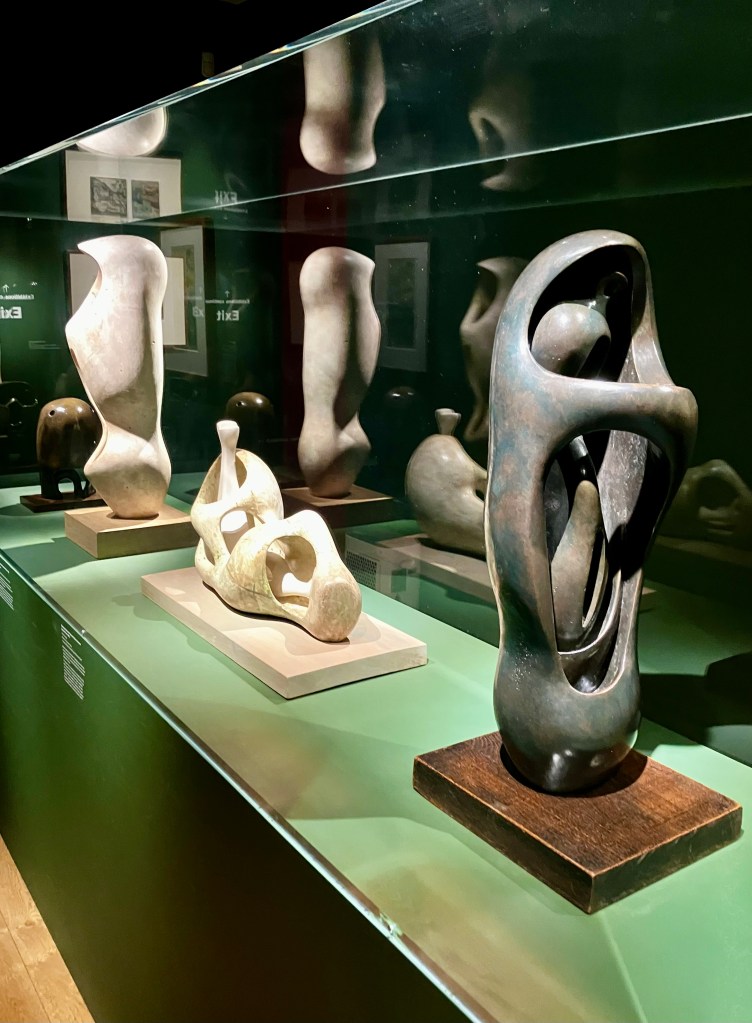
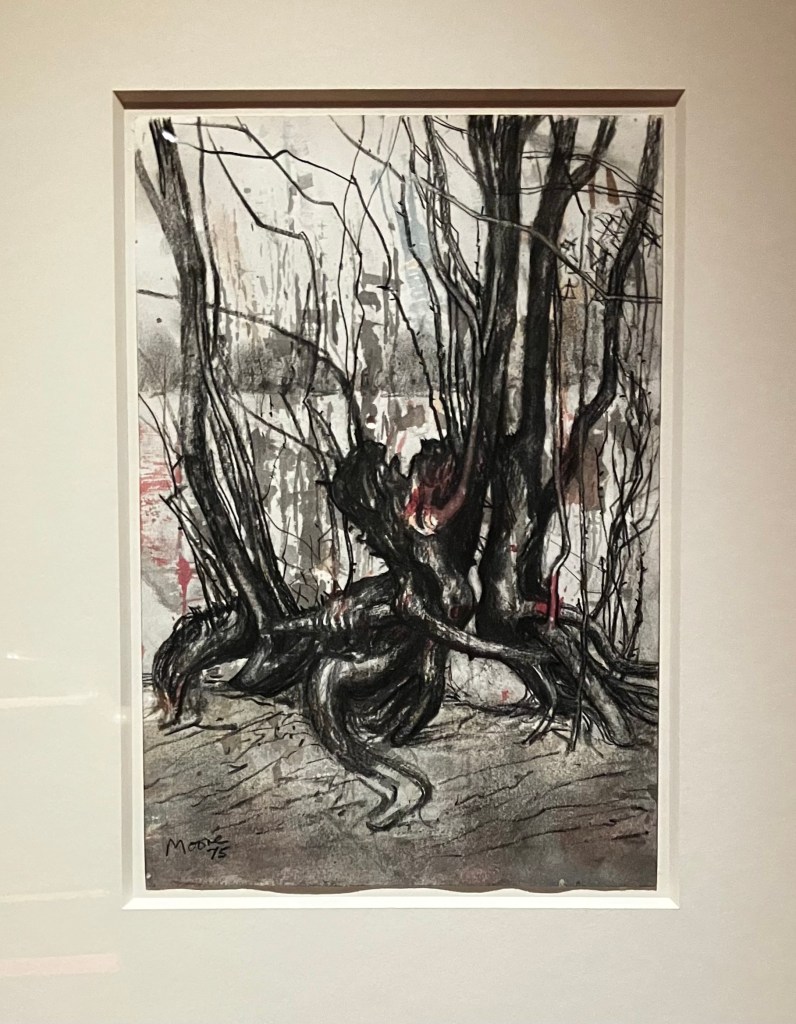
This time round, then, visitors have the opportunity to see a brilliantly-curated selection of Moore’s smaller-scale pieces: not just sculpture, but works on paper (etchings, drawing, paintings or often a combination of media) that illuminate whole other avenues of Moore’s practice while still demonstrating where certain sketches and ideas point towards an ultimate three-dimensional outcome.
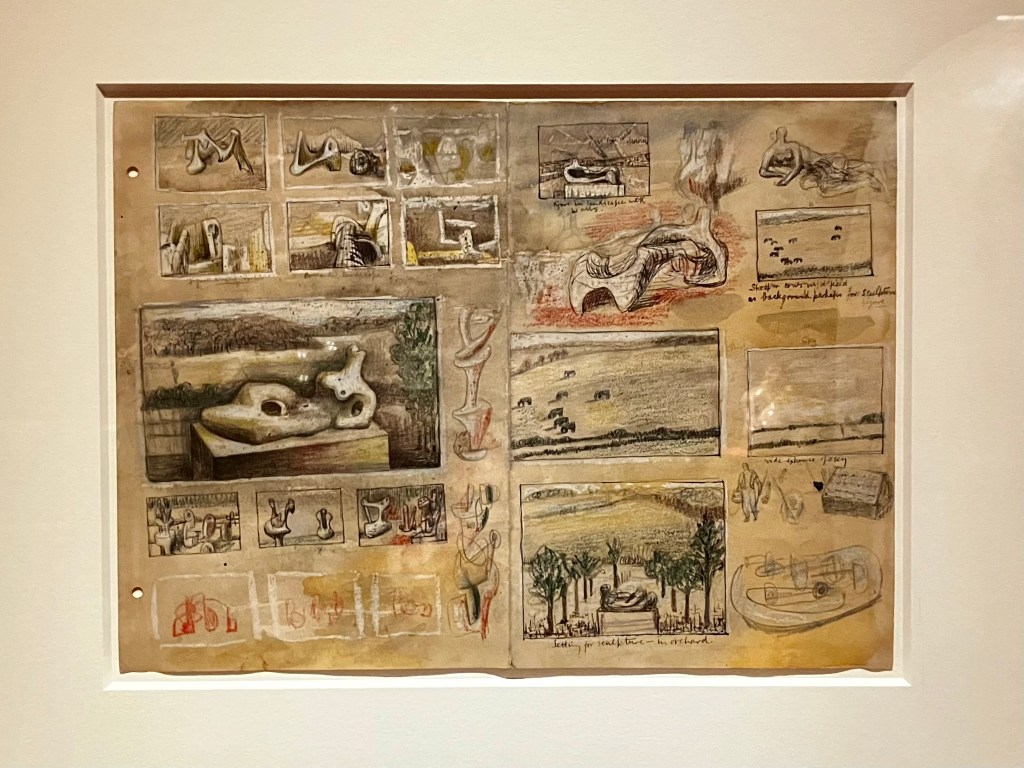
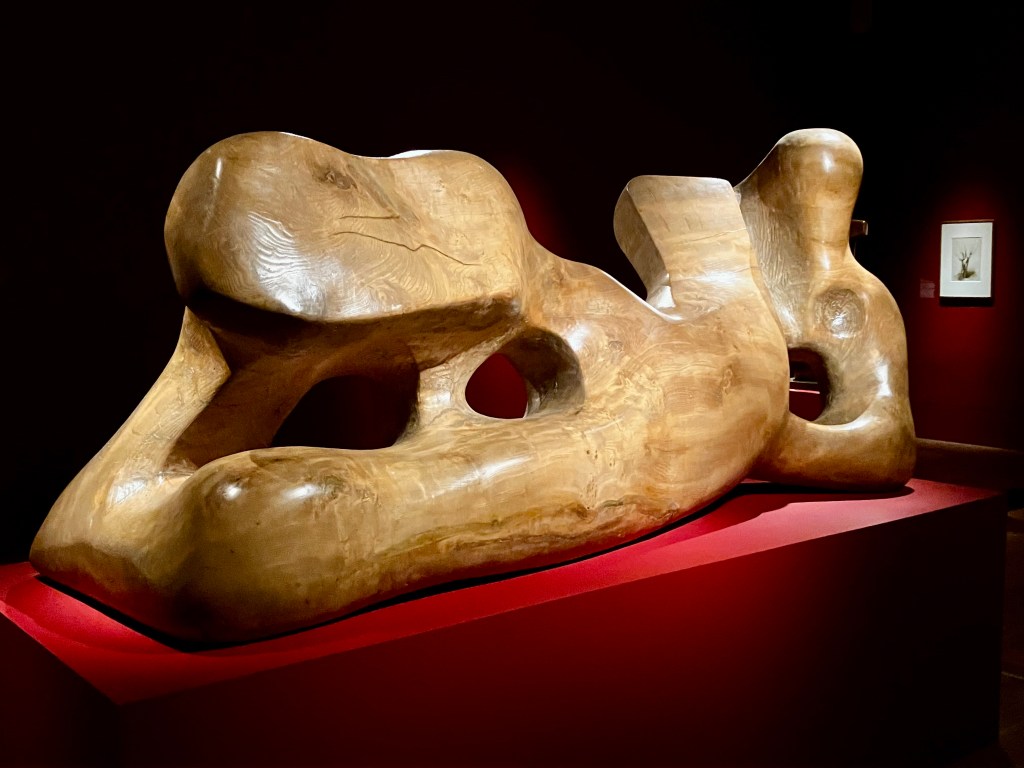
What emerges, from both the works themselves and the quotations that feature heavily in the informative accompanying texts, is the depth of Moore’s fascination with the natural world, and the inspiration he took from it.
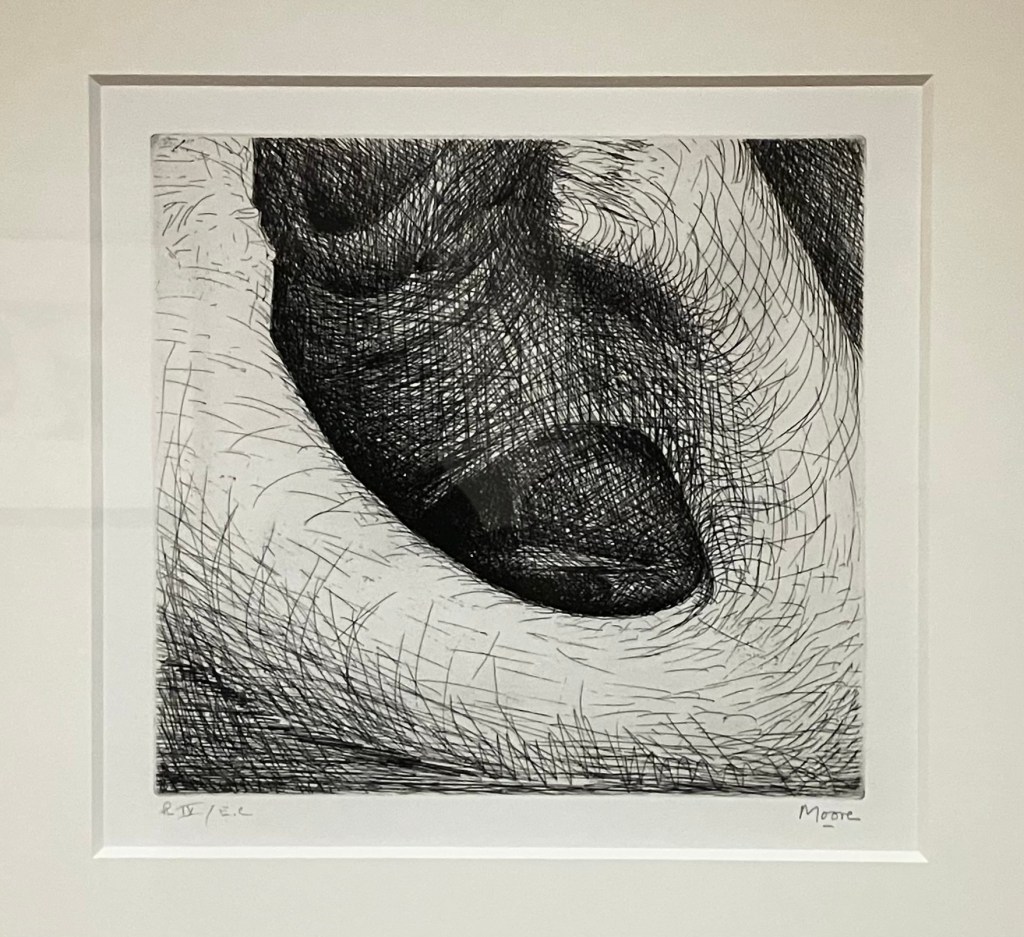
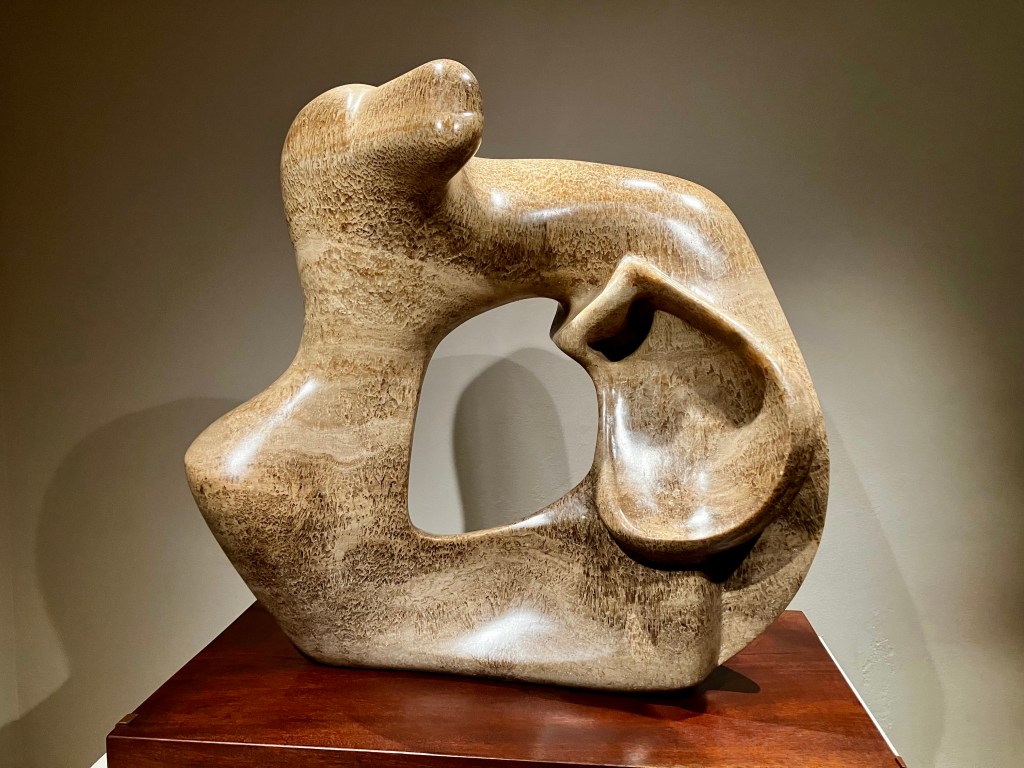
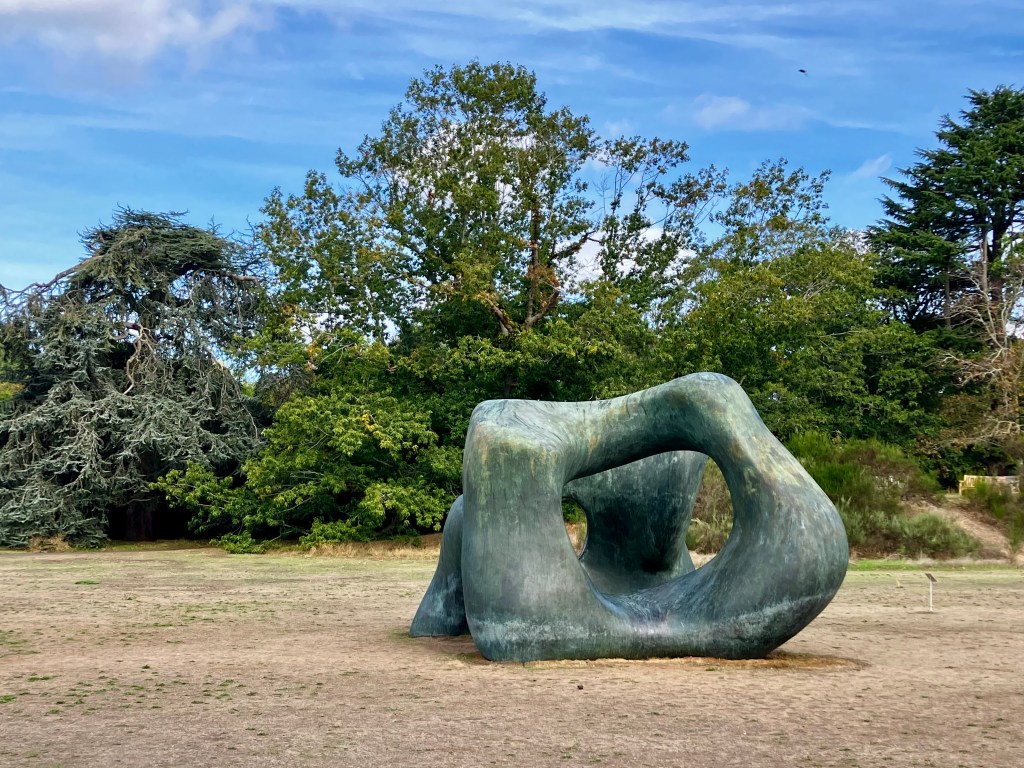
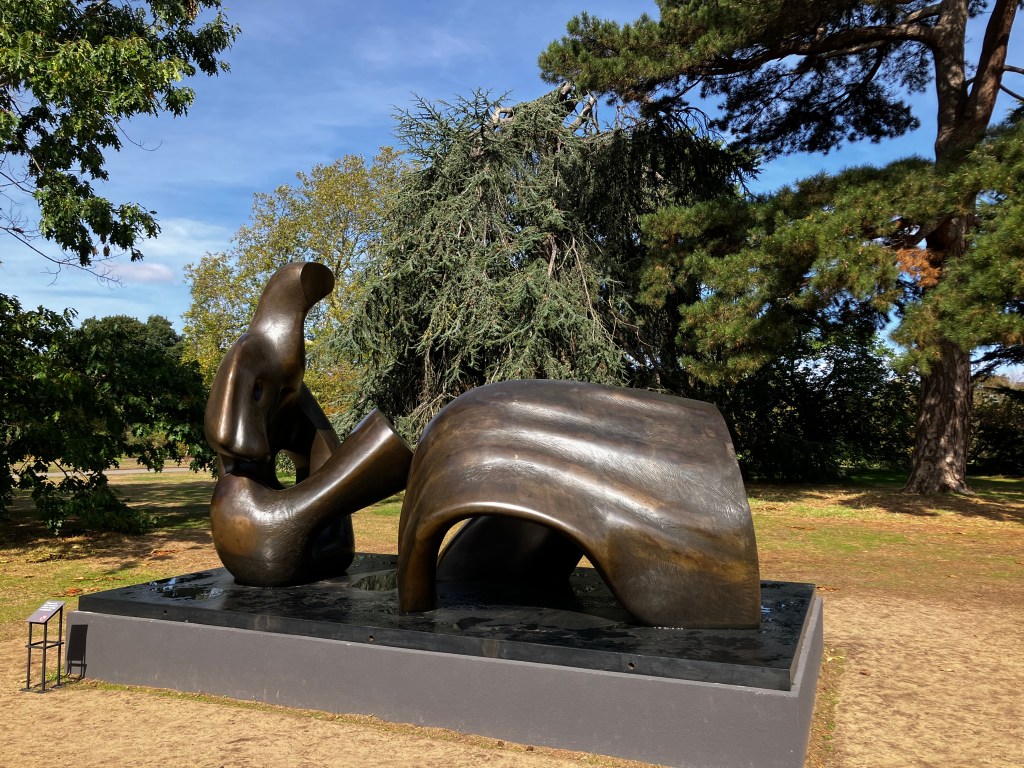
Another major change since the early 2000s: our climate. Moore was upfront about sculpture being “an art of the open air” and his work is in intense conversation with its environment. Many of his pieces – whatever their level of abstraction – are robust, formidable, yet also with an illusory quality, as likely to bask in the sun as hunker down against the rain. Recent visits inevitably reflect the recent bouts of relentless heat in the region, the burnt lawns providing a memorably stark landscape for these austere forms.
Practical points.
- Allow a full day for this if you can. To see all 30 of the larger-scale works, you will have to cover almost the gardens’ entire expanse – and remember to give yourself enough time in the indoor gallery as well. The effort is well worth it, as the sculptures are clearly placed to chime with their immediate surroundings. To make this easier, you receive a free map when you go in showing you the location of each piece, so you can plan a route that suits you. Make a note of where the cafés are and factor in pit stops accordingly.
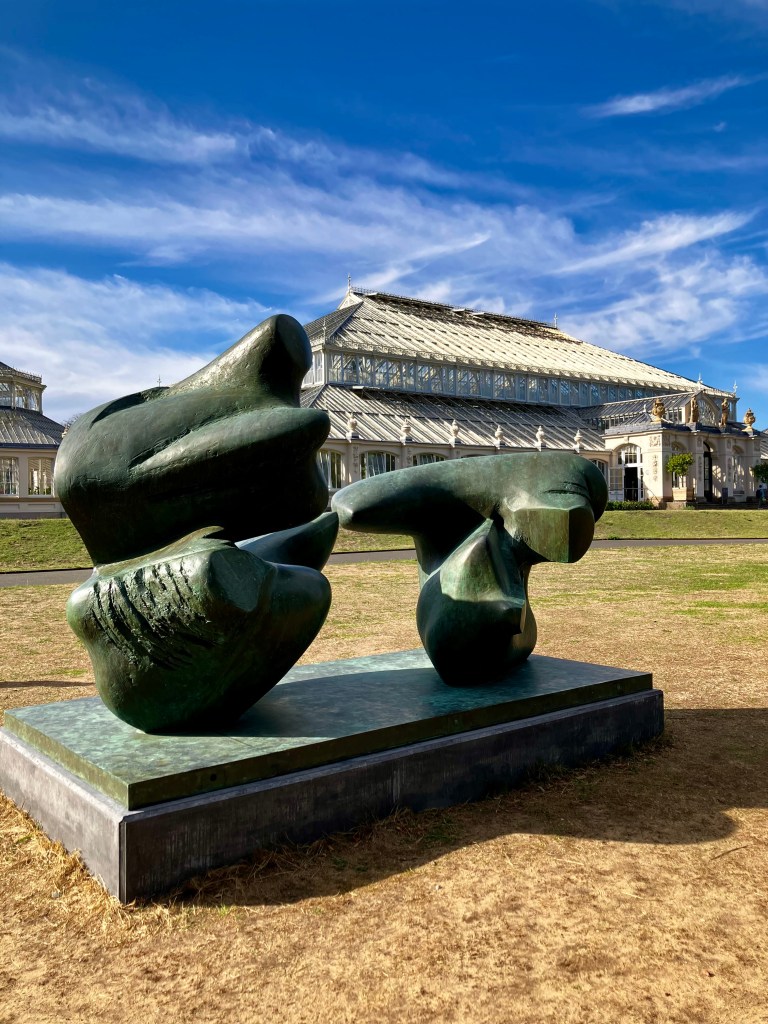
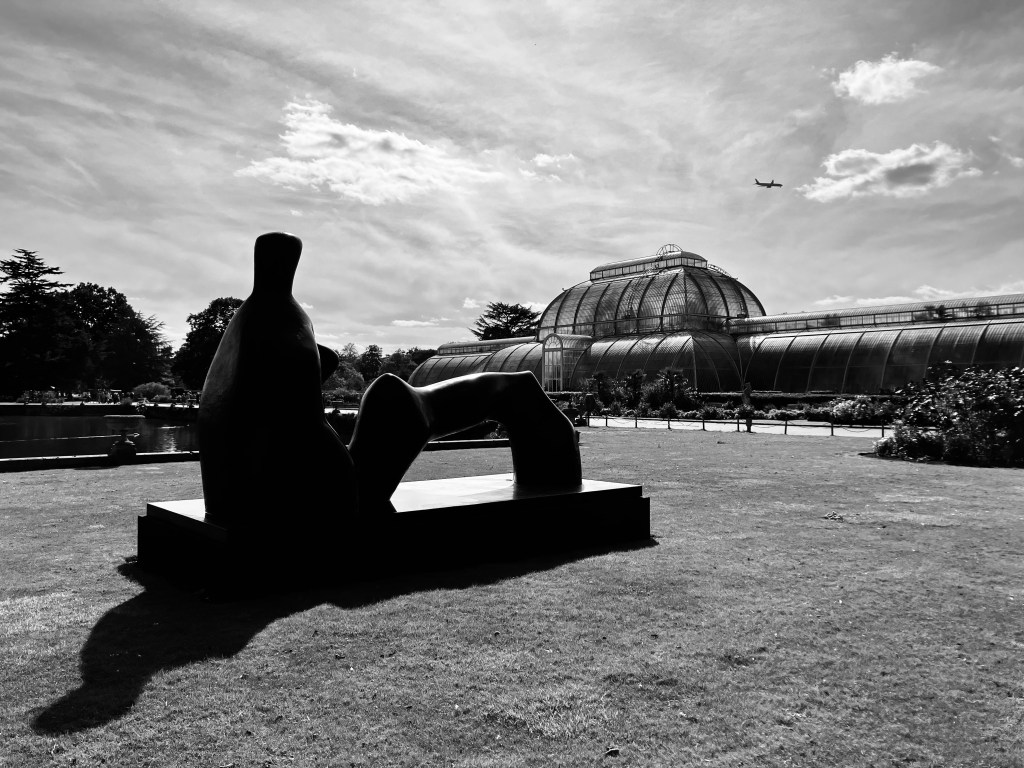
- The normal Kew admission fee applies, but there are no additional charges relating to the Moore exhibition or for entry to the gallery. As the gardens themselves are such a crucial element of the experience, this is a very good-value time to visit.
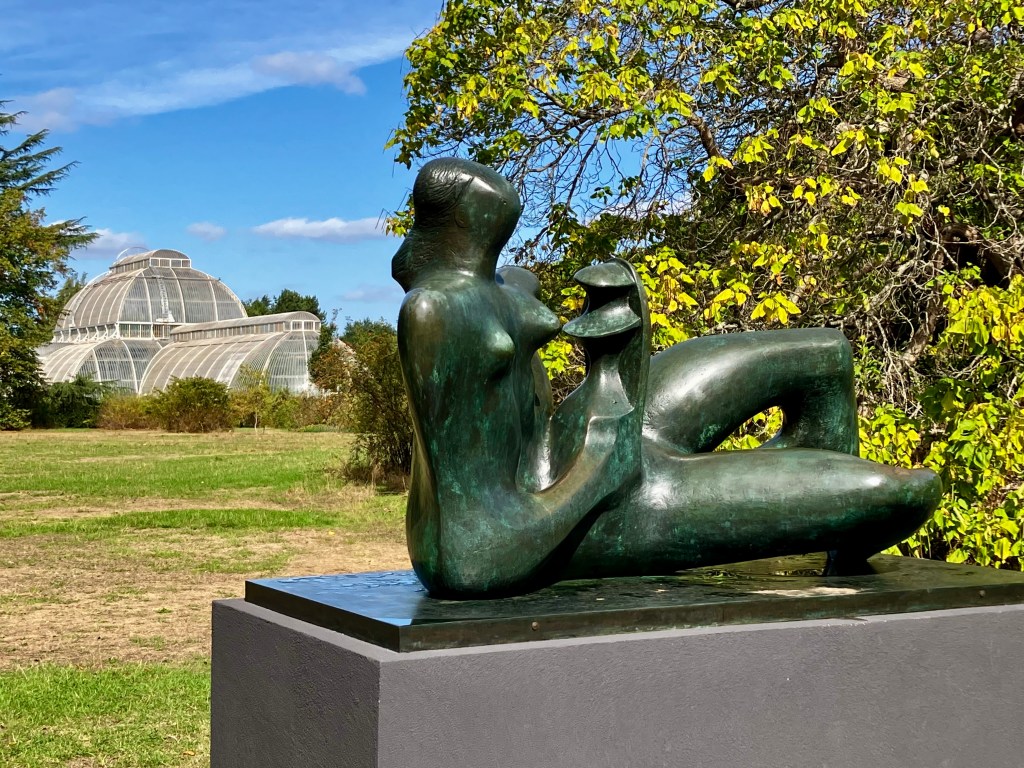
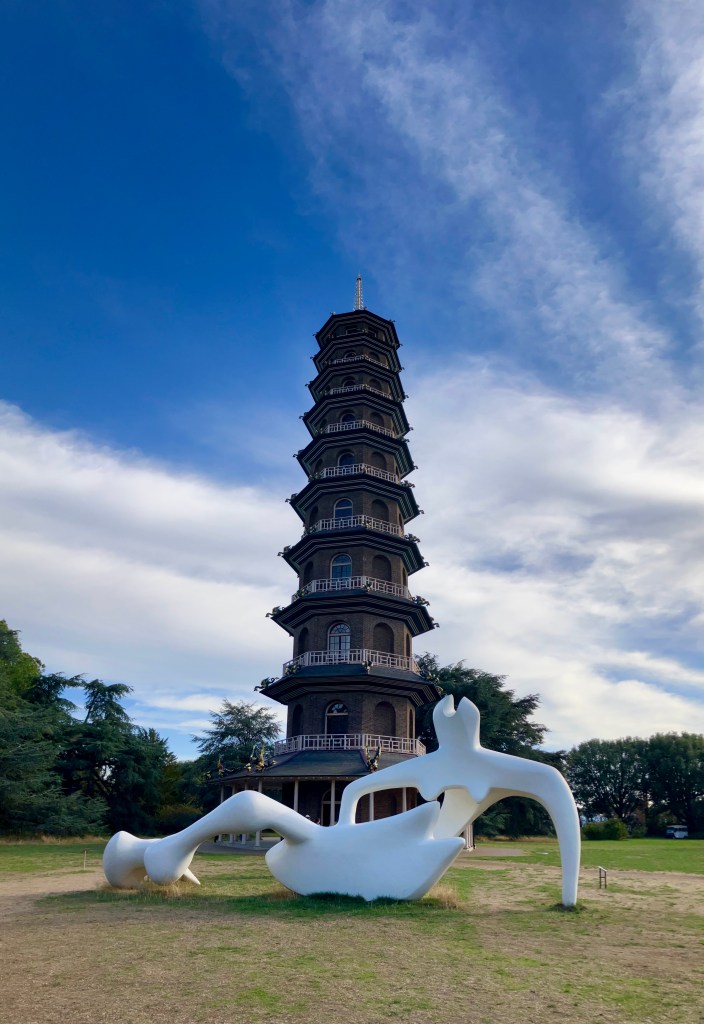
I hope you enjoy these images of my personal experience of the exhibition – but these are surely classic examples of where photographs cannot hope to do justice to their subjects. The scale, solidity and subtlety of the work must be experienced on-site.
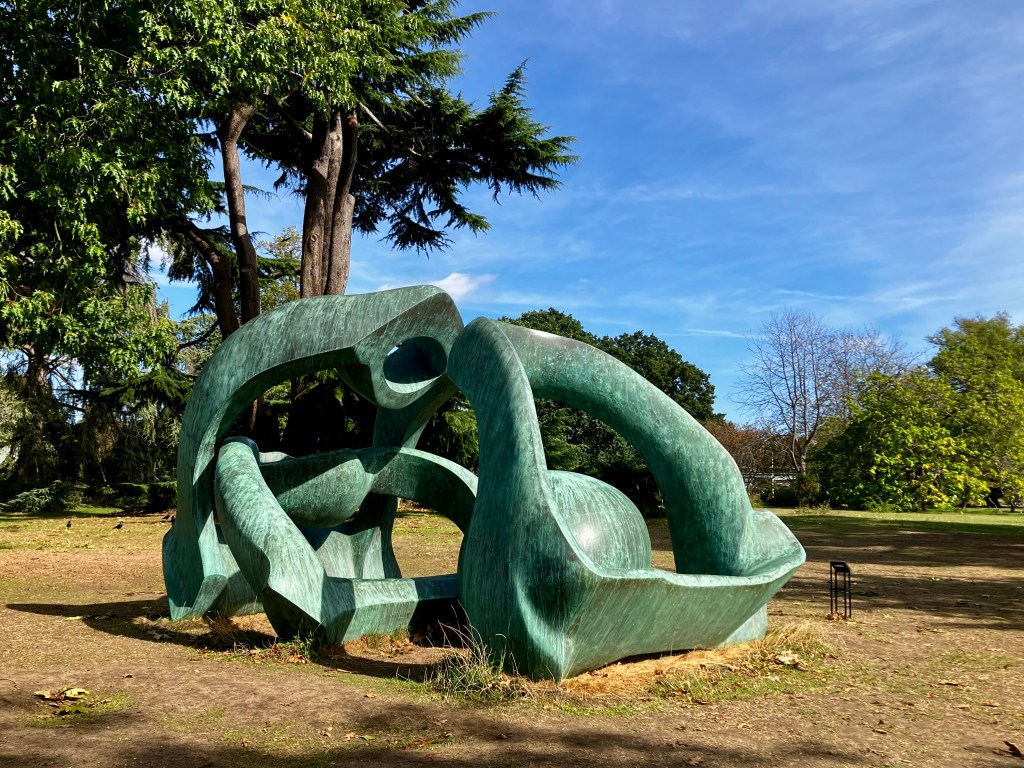
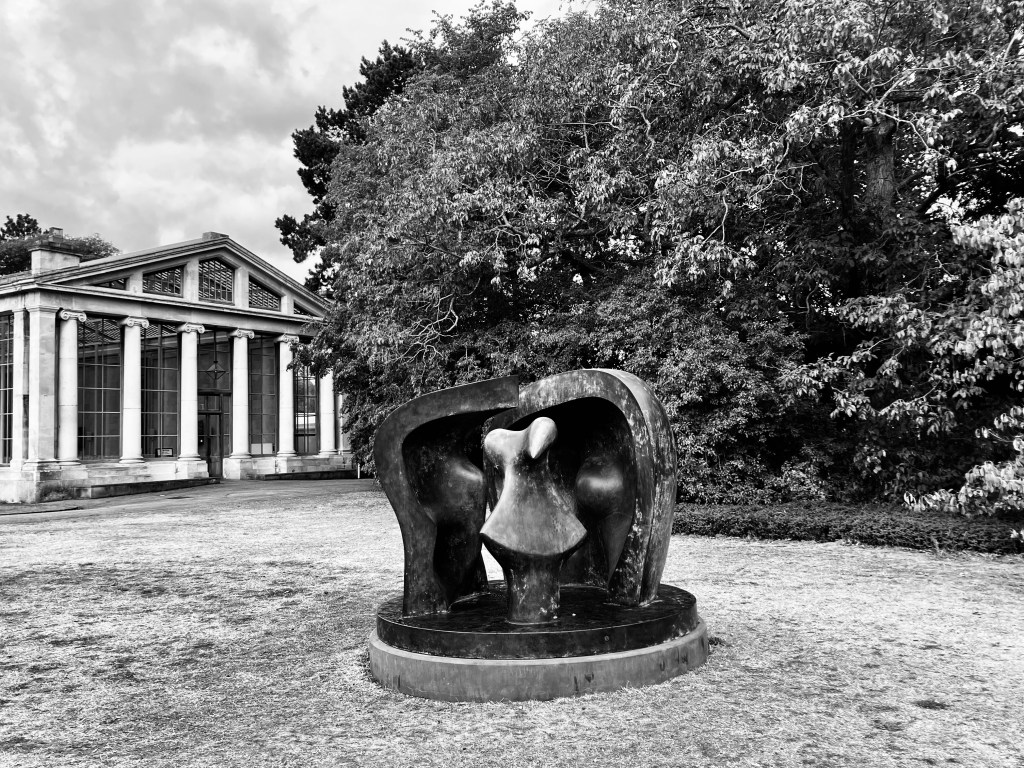
There is no telling whether it will be possible to mount a Moore retrospective of this size and scope again, at least not for many years. See it if you can.
AA
‘Henry Moore: Monumental Nature’ runs until 31 January 2027. (There are also four Moore sculptures on display at Kew Wakehurst, alongside responses from contemporary artists, until May 2027.) Read more on the Royal Botanic Gardens Kew website.
Discover more from ARTMUSELONDON
Subscribe to get the latest posts sent to your email.

