‘Oracle’ is a controlled explosion of an opera, a simmering cauldron of folly and fury. By turns a dark comedy, paranormal thriller, biting satire and apocalyptic horror, it kicks against its description as a chamber piece. Racing through a dazzling array of ideas in its 40-odd minutes (which feel more like a 4-minute warning), it allows its modest cast of three soloists to soar, riding the waves of energy supplied here by the BBC Concert Orchestra, under Jérôme Kuhn.
Kuhn commissioned the work from composer David Buckley, who hails from the world of film, television and video-game scores. No surprise, then, that ‘Oracle’ almost feels part of that world: we are trapped inside a plot that would slot neatly alongside episodes of ‘Black Mirror’ or ‘The Twilight Zone’, and we move visually and musically between a small-screen intimacy and a shattering, widescreen roar.
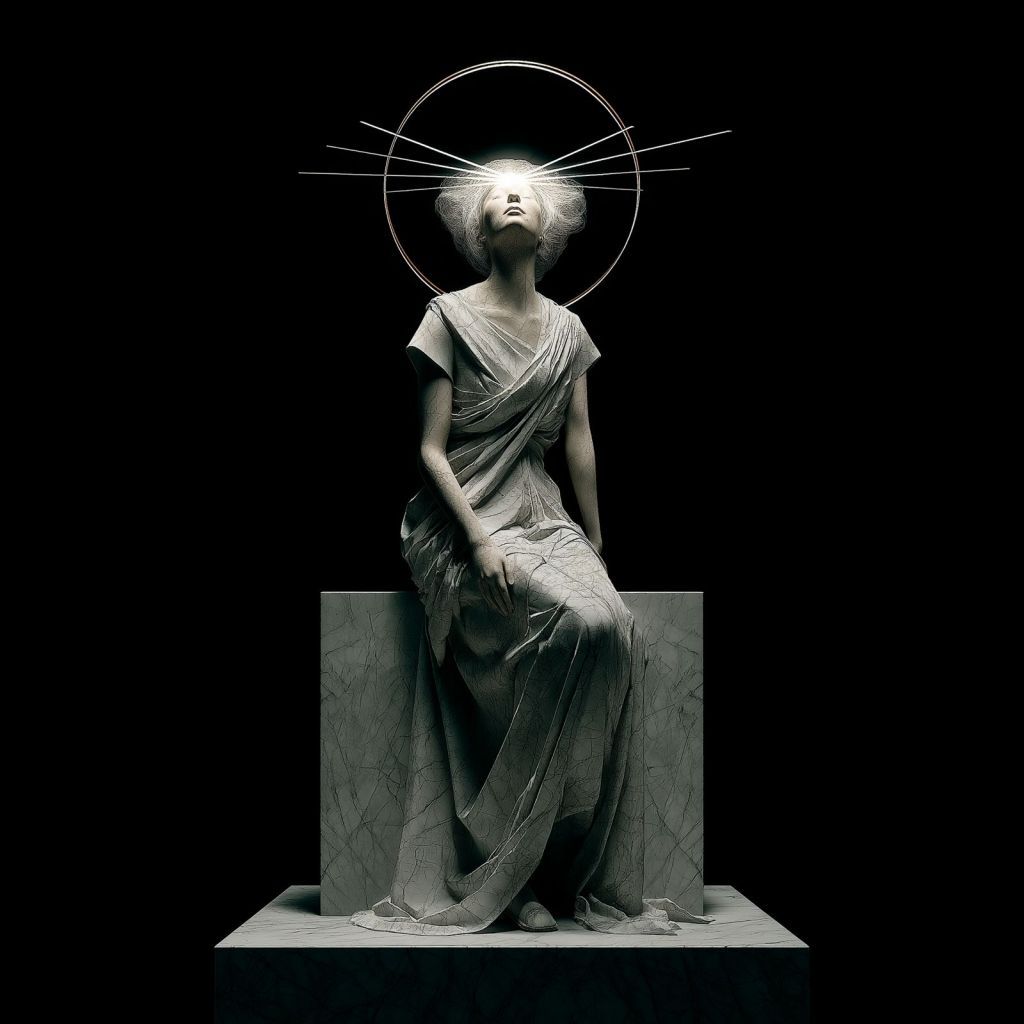
About that plot. Buckley and librettist Stephen Plaice tell an intricate, far-reaching story with exceptional economy, giving us a crucial snapshot of time and place. The action unfolds in the California HQ of tech millionaire Steve Colton. Inspired by the Greek myths he loved in his youth, he plans to establish a ‘New Delphi’, a modern-day oracle where prophecies will be available – for a fee, (super)naturally.
We meet Colton at a crucial late stage in the project’s development: choosing who will be his Pythia, the high priestess who interprets and delivers Apollo’s pronouncements. His auditions have narrowed the field to two remaining candidates. The first seems to have all the right answers, but the second may actually have the true ones. As the pair face off and Colton’s shallowness is revealed, it becomes clear they have unleashed forces beyond their control. Is it an Artificial or Ancient Intelligence coming for us? This time, the deus ex machina – when he arrives – has not come to sort everything out.
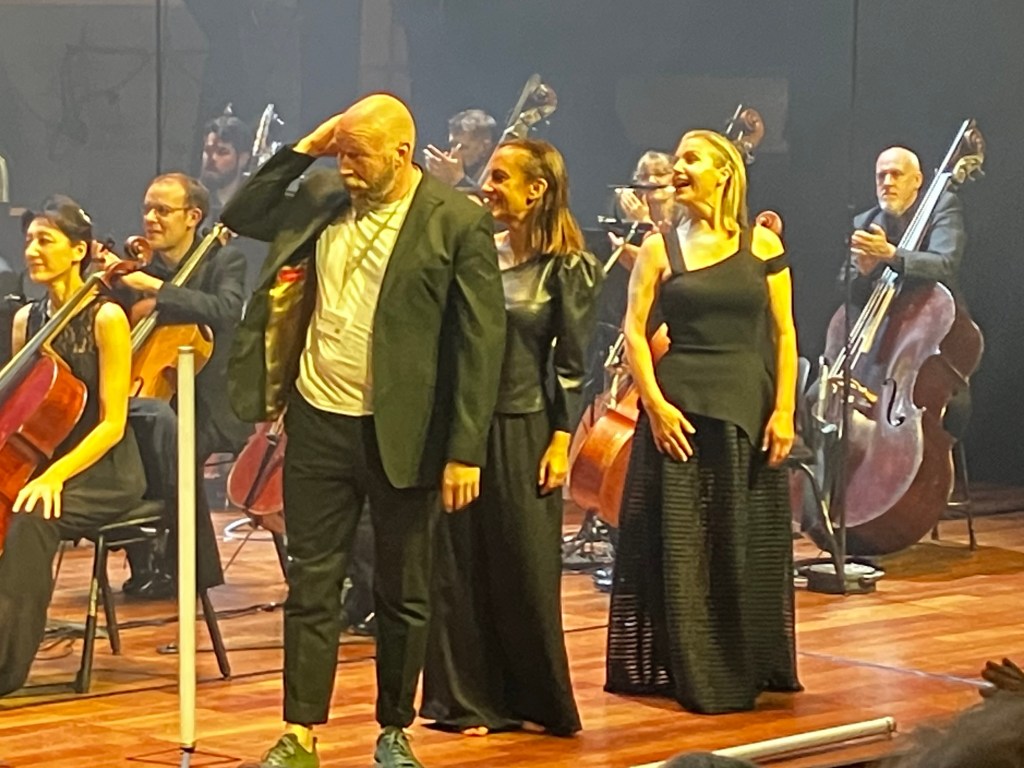
I enjoyed the way that, at surface level, the piece hinted at spoofing worn-out opera clichés. The tenor as noble yet sensitive hero, acting for the good of his fellow man; the soprano in a knockout dress, warm, sympathetic, the audience’s sweetheart; the mezzo in the trouser role, hinting at darker, possibly villainous motives.
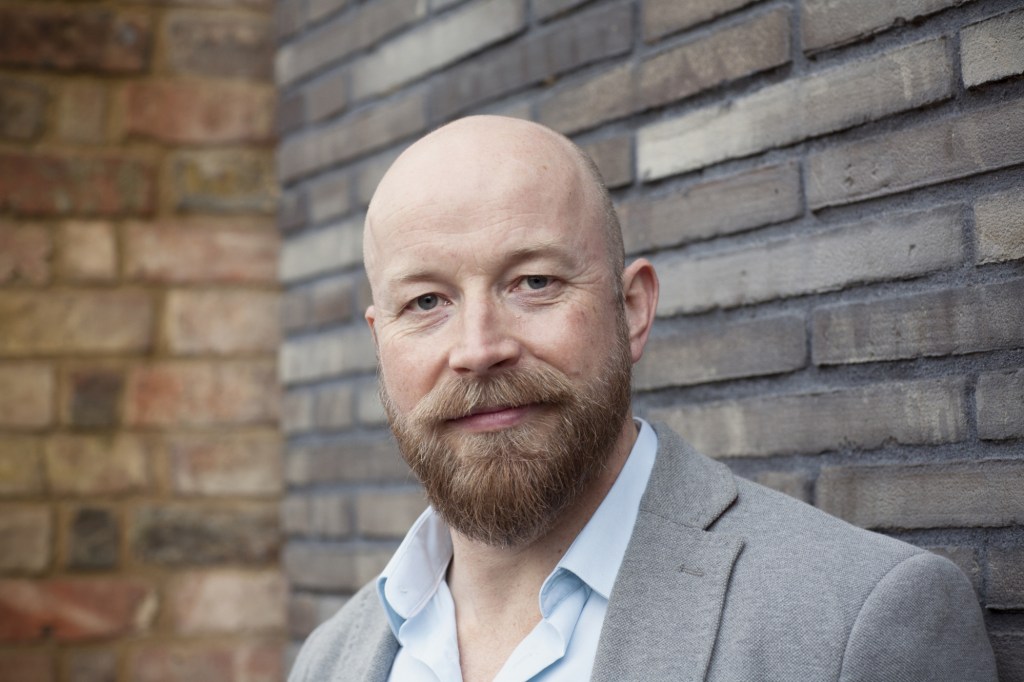
Then, in line with the opera’s relentless pace, the cast wasted no time in blowing these reductive preconceptions apart. As Colton, tenor Daniel Norman was a commanding presence, sharing his alter ego’s inner monologue and showing us glimpses of what might have been sincerity giving way to arrogance and avarice as he tested the Pythias.
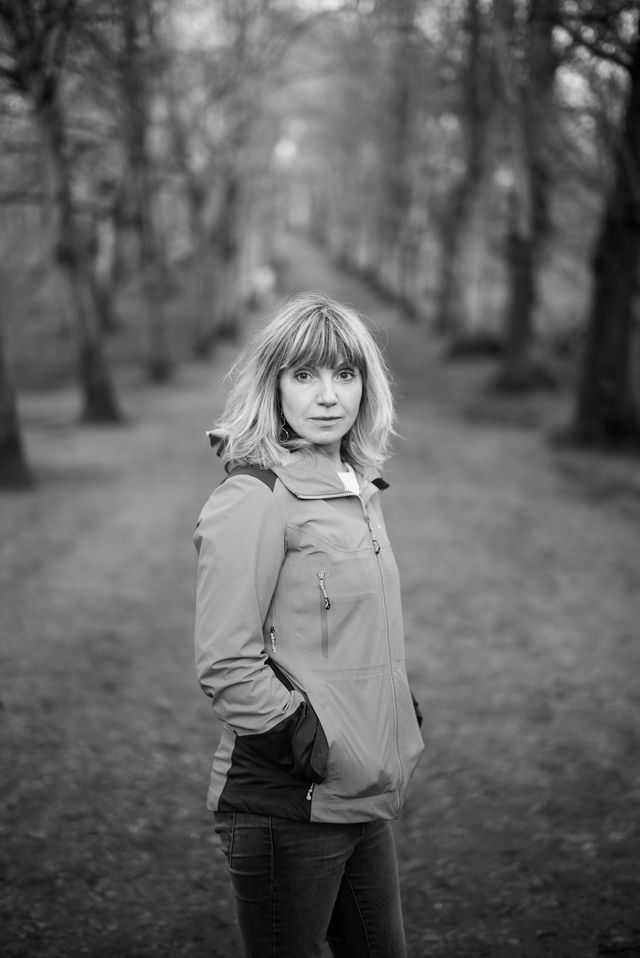
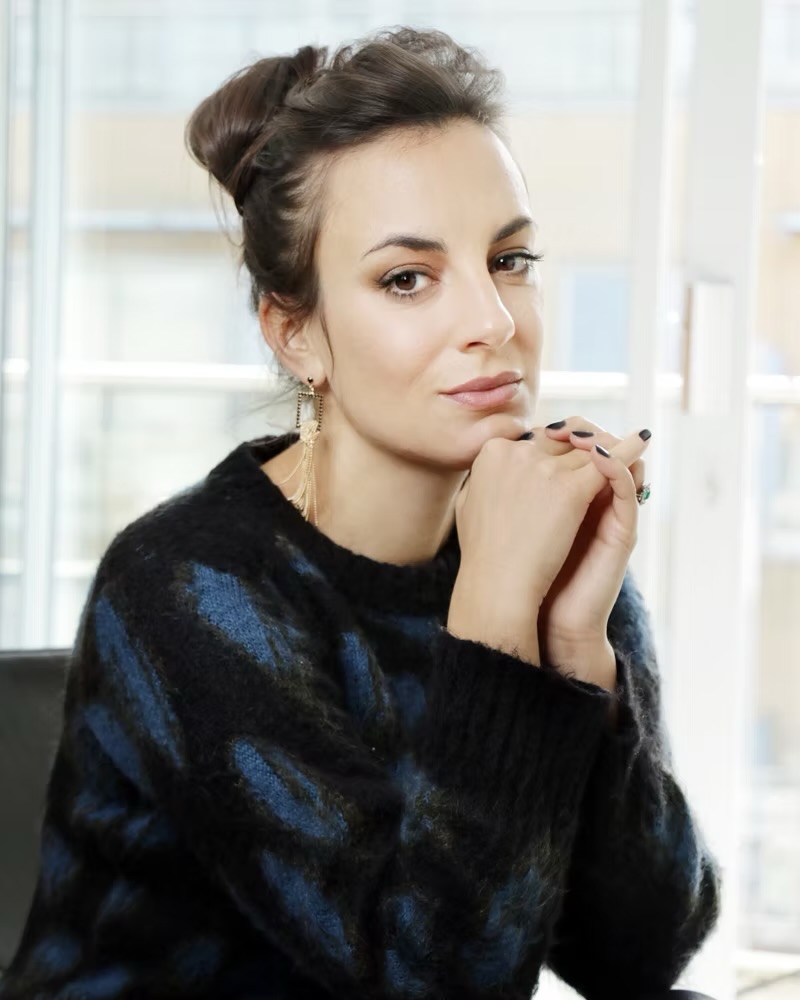
Both women gave fearless, charismatic turns of great physicality and expressiveness. As the first candidate, soprano Claire Booth created a multi-layered player-performer, both malleable and manipulative. Her voice retained its rich appeal, whatever feats of speed and agility she asked of it. Channelling a slinky sensuality before glitches disrupt the glamour, hers was a witty, knowing characterisation that only became more clever and complex as the levels of artifice were stripped away.
Mezzo Clare Presland’s second priestess affected a more disturbing timbre, and her movements as she appeared to undergo true possession were alien and angular in contrast to Booth’s smooth moves. Tasked with being genuinely terrifying, she became something other with absolute authority, hiding nothing but remaining resolutely enigmatic.
While the production was apparently a ‘semi-staging’, director Daisy Evans was operating on full power, feeding us idea after idea. The eerie shifting colours of the strip lights wielded by the cast to evoke their surroundings; the metallic make-up on the Pythias to hint at their automated cyber-presence; the ranging across the whole auditorium to ramp up the scale and swallow us up in the action.
It was over all too soon. Opera as adrenaline rush: inspiration for the intellect and pure excitement for the emotions.
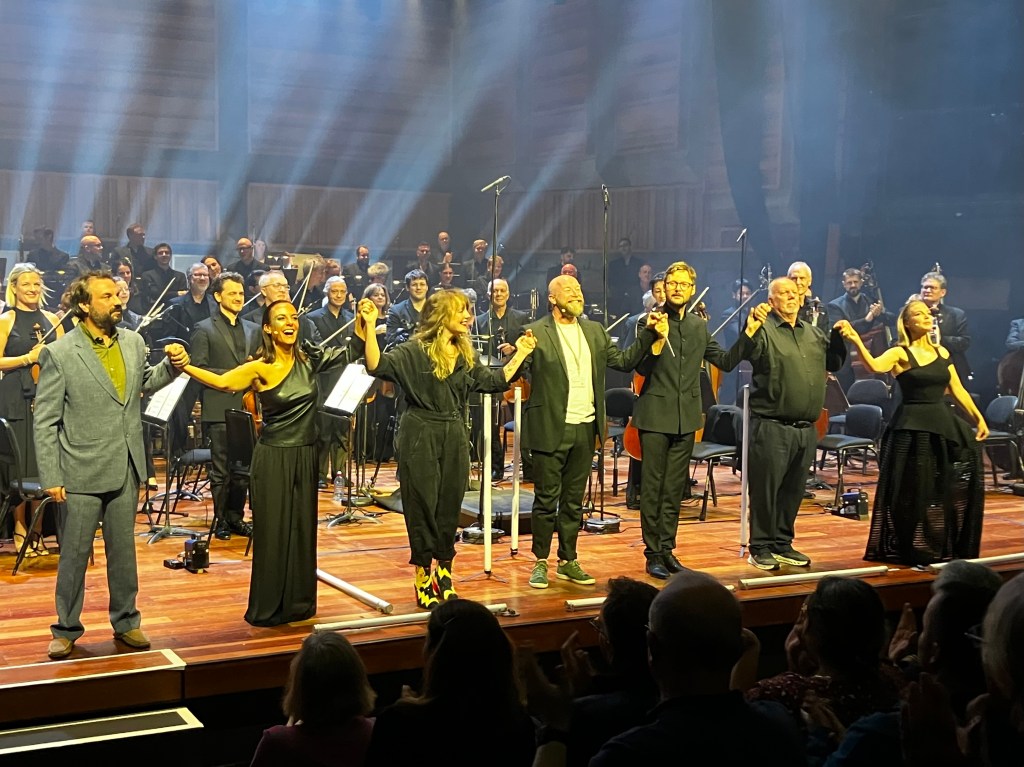
I should also mention that ‘Oracle’ was the second half of a substantial programme, all with a mythological theme. Before the interval, we heard Beethoven’s overture to ‘The Creatures of Prometheus’, Tabakova’s ‘Orpheus’ Comet’ and Vaughan Williams’s ‘Wasps’ suite: the second and third of these in particular creating a buzz (literally!), raising the anticipation like a well-chosen set of shorts before a main feature. A fantastic evening.
AA
BBC Radio 3 is due to broadcast this concert on Thursday 22 October 2026, and it will then be available for about a month on BBC Sounds.
‘Oracle’ is already out there to stream and download, performed by the original cast from its première in Switzerland. Qobuz gives you the opportunity to support the artists by downloading a high-quality version.
The ‘Oracle’ image is designed by Steve Xerri. Applause photos by AA. Press photos: Gerard Collett (Claire Booth), Fran Monks (Daniel Norman), uncredited (Clare Presland).
Discover more from ARTMUSELONDON
Subscribe to get the latest posts sent to your email.

